Buying in Rockport from out of state can feel like steering a boat through fog. You know where you want to end up, but the path is not always clear. If you love Cape Ann’s coastal charm and want to buy with confidence from afar, a tight plan makes all the difference. This guide gives you a step‑by‑step playbook tailored to Rockport so you can tour, inspect, and close remotely without surprises. Let’s dive in.
Why Rockport works for remote buyers
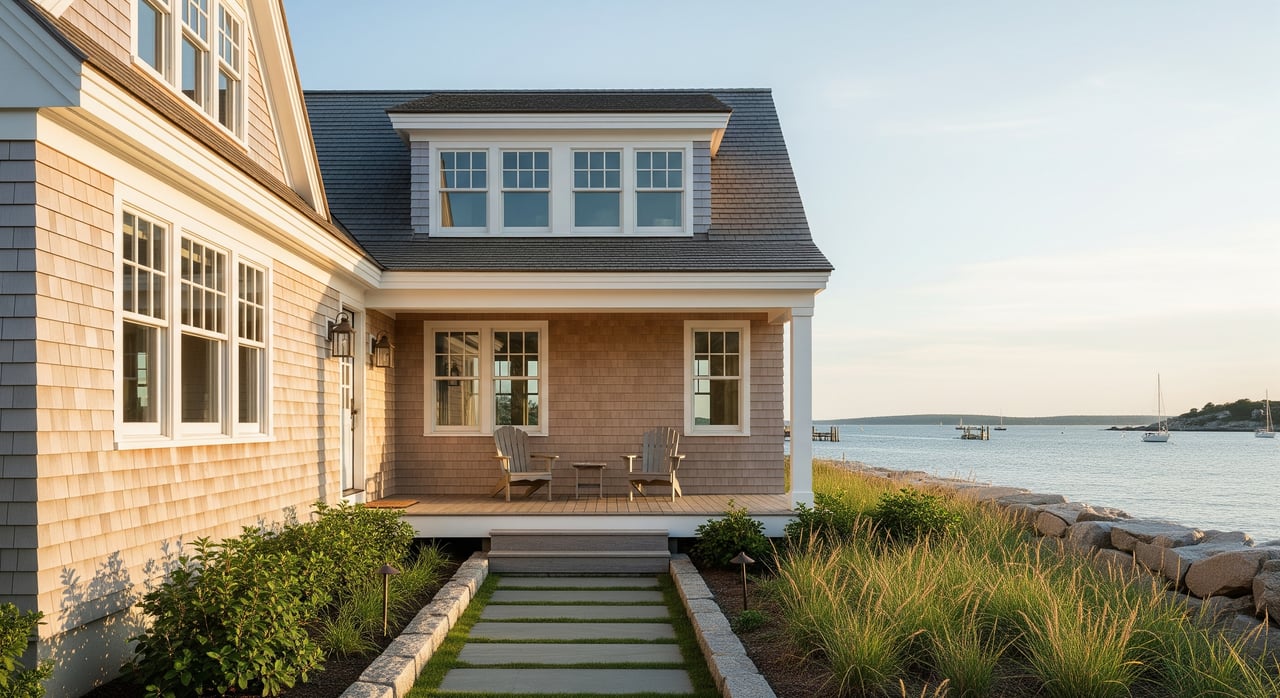
Rockport offers classic New England coastal living with historic villages, working waterfronts, and quiet inland streets. Many homes are older, some seasonal, and some within local historic overlays. That mix is part of the appeal if you plan ahead.
Coastal properties come with specific questions. You will want to confirm flood zones, shoreline conditions, and any seawalls or bulkheads. Lenders may require flood insurance in mapped flood areas. Use the FEMA Flood Map Service Center to review a property’s flood zone early in your search.
Market conditions shift. Inventory, pricing, and days on market can vary by season. For local records and contacts, start at the Town of Rockport. Your agent can also pull assessor data and recent listing history to help you compare options.
Your remote buying playbook
Use this step‑by‑step flow to organize your purchase from first call to closing.
1) Prepare financing and your team
- Get pre‑approved with a lender that supports remote processing and can work with Massachusetts attorneys and title companies.
- Choose a local buyer’s agent who is experienced with live video tours and Rockport’s coastal and historic property issues.
- Engage a Massachusetts real estate attorney or confirm title company representation early. This is common practice for closings in Massachusetts.
2) Search and vetting online
- Rely on high‑quality photos, floorplans, 3D tours, and live video walk‑throughs. Ask for close‑ups of systems, basements, attics, and exterior elements that are hard to see.
- Request recent seller disclosures, property tax info, the assessor’s card, and prior listing history. Your agent can obtain these and review them with you.
3) Craft the offer and contingencies
- Standard contingencies usually include financing, appraisal, and home inspection. For homes with septic, add a Title 5 contingency.
- Use secure e‑signature tools to execute offers and addenda. Electronic signatures are generally supported, although final closing steps may require notarization per your lender and title insurer.
4) Coordinate inspections and specialty reports
- Schedule a general home inspection. If the home is coastal or older, consider specialty inspections such as septic/Title 5, radon, pest, chimney, structural, or marine and seawall evaluations.
- Attend inspections virtually. Ask inspectors to provide a recorded video, timestamped photos, and a written report. For radon, review the EPA guidance on radon and testing standards.
5) Due diligence and negotiation
- Review inspection results and, if needed, obtain local contractor quotes for repairs or replacements. Decide whether to negotiate for repairs or credits.
6) Appraisal and underwriting
- Your lender will arrange the appraisal. Share your inspection reports and photos with your loan team if they help clarify property condition.
7) Closing logistics from afar
- Many documents can be delivered electronically. Confirm with your lender and title insurer whether electronic signatures and Remote Online Notarization are acceptable for your closing.
- Wire transfer is standard for funds. Always verify wiring instructions by calling your attorney or title company at a known phone number before sending funds.
- Deeds and mortgages are recorded with the Essex County Registry of Deeds. Your closing team handles recording, often through Massachusetts Land Records.
Coastal and historic property checks
Buying near the ocean adds a few extra steps. Ask your team to help you verify:
- Flood zones and elevation using FEMA maps. Lenders may require flood insurance in Special Flood Hazard Areas.
- Condition of seawalls, bulkheads, piers, and shoreline. Hire a marine or coastal engineer when these structures are present.
- Signs of salt‑air corrosion on exterior systems, including HVAC, railings, and hardware.
- Foundation and masonry condition for older homes, including signs of frost heave or settlement.
- Local historic overlays, which can affect exterior changes. Contact the town’s historic and conservation offices through the Town of Rockport to confirm what approvals may be needed.
Legal and permitting essentials in Massachusetts
A few statewide rules and practices shape remote purchases.
- Title 5 septic systems. When a property has a septic system, a Title 5 inspection is typically required in a transfer unless a valid certificate is already in place. Review the Massachusetts Title 5 septic rules early so timelines do not slip.
- Electronic signatures and notarization. Federal and Massachusetts laws generally support e‑signatures for many documents. Some lenders and title insurers accept Remote Online Notarization, while others require in‑person notarization. Confirm acceptance early.
- Local permits and waterways. Waterfront features may involve state waterways rules and local conservation approvals. Factor these into your due diligence if you plan improvements.
Timeline to expect
- Offer to inspection contingency window: commonly 7 to 14 days.
- Appraisal and underwriting: about 2 to 3 weeks, depending on lender volume.
- Total closing period: often 30 to 60 days from accepted offer. Title 5 or specialty engineering can extend timing.
Typical cost ranges
Actual costs vary by property size and complexity. Get local quotes early.
- General home inspection: about $350 to $800.
- Title 5 septic inspection: about $300 to $800.
- Radon test: about $125 to $250.
- Survey: about $800 to $3,000 or more depending on scope.
- Structural or coastal engineer: about $500 to $2,500 or more.
- Title search, closing fees, and title insurance: request an estimate from your closing attorney or title company.
Vendor checklist and questions
Build a reliable local team and set expectations up front.
- Core team: buyer’s agent, real estate attorney or title company, home inspector, septic inspector if applicable, appraiser, surveyor, radon tester, structural or marine engineer, pest inspector, and local contractors for estimates.
- Ask every vendor:
- Can you provide live video and a recorded file with timestamped photos?
- What is your report turnaround time, ideally within 24 to 72 hours?
- Are you experienced with Rockport’s coastal or historic issues?
- For Title 5, when can you schedule and what records do you need in advance?
- For the title company, do you accept e‑signatures or RON, and how do you verify wire instructions?
Risk reducers for remote buyers
- Verify wire instructions by calling a trusted number for your attorney or title company. Do not rely on email alone.
- Keep inspection contingencies intact and choose realistic deadlines so vendors can schedule promptly.
- Require photo and video documentation from every inspection. Ask vendors to annotate problem areas.
- Confirm e‑signature and notarization requirements with your lender and title insurer well before closing.
- For waterfront or tideland questions, request written confirmation of any public access, licensing, or restrictions that run with the property.
Red flags to avoid
- Vague or last‑minute wiring instructions. Call to verify before sending funds.
- No written inspection report, few photos, or refusal to provide video.
- Late notice from lender or title company that electronic signatures or RON are not accepted.
- Unclear status of septic Title 5, flood zone, or seawall condition.
Final walk‑through when you cannot attend
If you cannot be on site, arrange a trusted local representative to attend the final walk‑through. Ask for a live video and a quick checklist confirming utilities work, agreed repairs are complete, and the property is in the expected condition.
Helpful resources to verify details
Buying remotely should feel organized, not overwhelming. With a clear process, the right contingencies, and a local team that knows coastal property, you can close on the Rockport home you want with confidence. If you are ready to start, connect with Michael Cannuscio for white‑glove buyer representation tailored to Rockport and the North Shore.
FAQs
How do I buy a Rockport home entirely remotely?
- Build a local team, tour by live video, include key contingencies, complete inspections with photo and video reports, confirm e‑sign and notarization requirements, then wire funds and close through your MA attorney or title company.
What if the Rockport home has a septic system?
Are electronic signatures and remote notarization accepted in Massachusetts?
- E‑signatures are generally accepted for many documents, but acceptance of Remote Online Notarization varies by lender and title insurer, so you should confirm their requirements early in the process.
How can I check flood risk for a Rockport property?
- Review the address in the FEMA Flood Map Service Center and ask your lender and insurance agent whether flood insurance is required for your loan.
How long does a remote purchase in Rockport take?
- Many transactions close in 30 to 60 days, with 7 to 14 days for inspections and about 2 to 3 weeks for appraisal and underwriting, though specialty items like septic or engineering can extend timelines.
What inspections are most important for coastal homes?
- In addition to a general inspection, consider radon, pest, chimney, structural, and marine or seawall evaluations, with detailed photo and video documentation for remote review.