Is Nahant The Right North Shore Second Home For You?
March 5, 2026
March 5, 2026
What if your second home felt like a private island yet sat within easy reach of Boston? If you are weighing a North Shore retreat, Nahant belongs on your short list. You want ocean air, simple beach days, and a manageable trip from Cambridge, Newton, or Framingham. In this guide, you will learn how Nahant lives across seasons, what access really looks like, where the beaches shine, and the practical checks that matter for coastal ownership. Let’s dive in.
Nahant is a compact, primarily residential tied-island community with roughly 3,334 residents and about 1.0 square mile of land. It connects to Lynn by a single causeway, which shapes daily life and planning. That small footprint means a quieter feel and limited housing inventory. It also means you should think through access during storms and busy summer weekends. You can review a quick overview of the town’s geography and history on Nahant’s Wikipedia entry.
By car, Nahant sits about 12 to 15 miles from downtown Boston. Typical non-peak drive times run about 30 to 40 minutes, but conditions vary with time of day. If you are testing a weekday rhythm, try early or later windows to see how it feels. For reference, Cambridge is often 25 to 35 minutes, Newton 35 to 45 minutes, and Framingham 45 to 60 plus minutes, depending on traffic. For a general Boston drive-time reference, see Travelmath’s estimate.
Public transit works if you have a flexible schedule. MBTA bus Route 439 connects Nahant to Wonderland Station, where you can hop on the Blue Line to Boston. Plan for 60 to 90 minutes, depending on connections and time of day, and note the limited frequency inside Nahant. You can review the route details on MBTA Route 439 via Transit App.
On the eastern shore, the Lynn Shore & Nahant Beach Reservation offers a long sandy stretch with a promenade, bathhouse, and a boat ramp. This area is managed by the Massachusetts DCR, and parking fees apply during peak months. On hot summer weekends, lots can fill and foot traffic along the promenade picks up. For amenities, hours, and parking details, start with the DCR’s reservation page.
Beyond the big beach, Nahant’s town beaches and coastal nooks feel more intimate. The town lists Short Beach, Tudor Beach, Canoe Beach, Black Rock or Doggie Beach, and 40 Steps Beach as public access points. Some locations have resident-sticker parking, and the town posts seasonal water-quality testing. You get a nice mix here: sandy toes in summer, tidepools and rocky points for shoulder-season walks, and dramatic ocean views year-round. For a full list, see the Town of Nahant’s beaches page.
Peak summer weekends bring more visitors and tighter parking. DCR lots can fill and fees apply during busy dates, while some town beaches rely on resident-sticker parking. If you plan to host guests, set expectations and plan car logistics early. Review town parking basics and sticker info on Parking in Nahant.
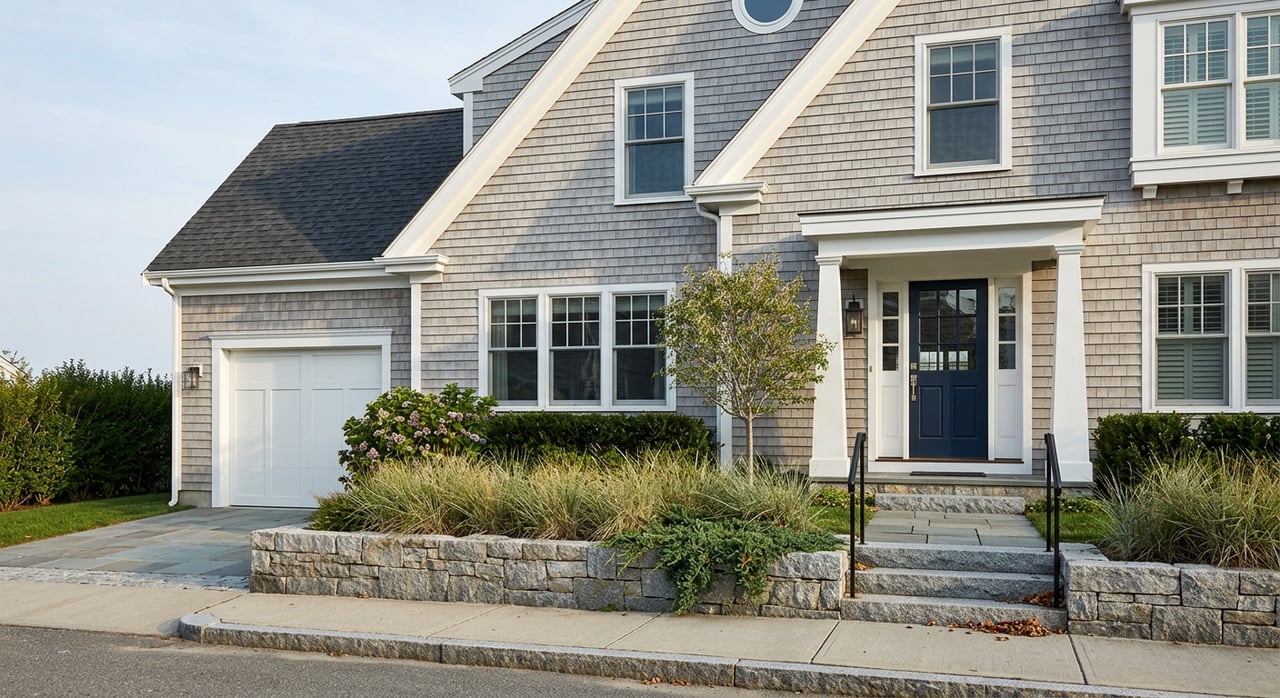
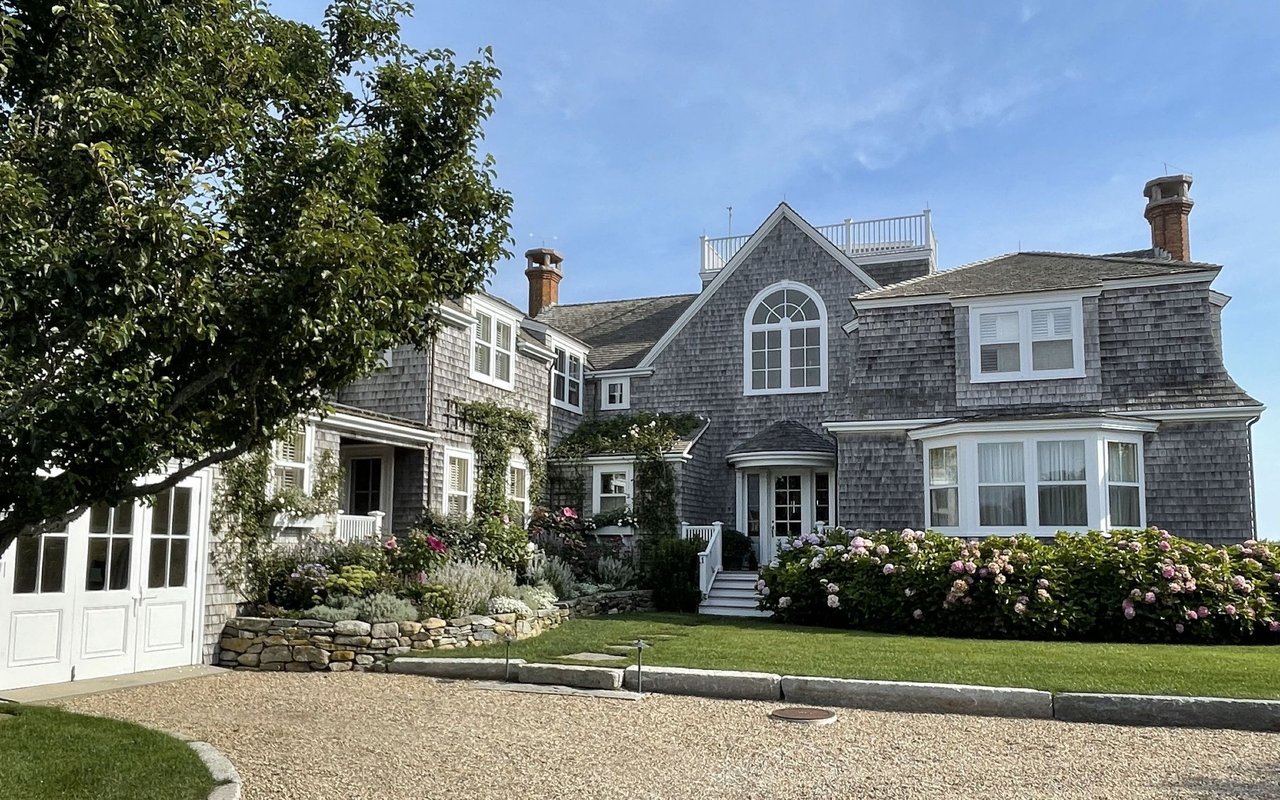
Nahant’s housing skews to single-family homes, with some smaller multi-family and seasonal cottages. Many properties are older Victorians, Colonials, and Capes that have been renovated over time. You will find ocean-view homes along prominent points and more modest inland houses on small lots. Supply is tight because the town is small, which often supports pricing relative to non-waterfront suburbs at similar distances.
For carrying costs, Nahant’s FY2026 property tax rate was set at $8.99 per thousand. Always confirm the current year with the town assessor. You can track local notices on the town’s news updates.
Nahant regulates short-term rentals and requires registration, inspections, and liability insurance. Non-owner-occupied short-term rentals face stricter rules and may need special permits. If you hope to offset costs with short stays, understand the framework before you buy so you can choose an address and setup that fits the rules. Start with the town’s Short-Term Rental Registration page.
Nahant’s single causeway is simple and scenic in normal conditions. During severe coastal storms, it can be vulnerable and may temporarily limit access. If you will use the home seasonally, factor elevation, emergency supplies, and who can reach the house in a storm into your plan.
Before you fall in love with a view, map the risk. Use NOAA’s Sea Level Rise Viewer to visualize current high-water lines and projected scenarios at the parcel level. Pair that with FEMA flood maps and, where relevant, an elevation certificate for insurance and lending. Begin your analysis with the NOAA Sea Level Rise Viewer.
Second homes are insured differently than primary residences. Many policies have vacancy clauses that limit coverage if a home sits unoccupied for a set period. Flood coverage under the NFIP uses property-specific pricing and adds a non-primary residence surcharge, commonly cited as $250. If you expect to host short-term guests, ask about the right endorsement or a separate policy. For an overview of vacation home insurance considerations, read Allstate’s guide to vacation homes.
You can reduce risk with a local property check routine, winterization, and a clear open-and-close process each season. Add a monitored alarm, smart locks, and basic camera coverage for peace of mind. Some insurers may offer discounts for monitored systems. For a practical primer, see this overview on insuring and securing a second home.
Ready to explore Nahant in person or compare it to Marblehead, Swampscott, or Salem? Get tailored guidance on coastal homes, access, and ownership planning with Michael Cannuscio. You will get clear next steps and a smart shortlist.


We pride ourselves in providing personalized solutions that bring our clients closer to their dream properties and enhance their long-term wealth. Contact us today to find out how we can be of assistance to you!
THE AGENCY MARBLEHEAD
72 Front Street, Suite 6, Marblehead, MA 01945