
Selling Your Swampscott Home: Preparation, Pricing, Presentation
March 24, 2026
March 24, 2026
Thinking about selling your Swampscott home? You are in a great spot. Coastal lifestyle, commuter-rail access, and charming village centers make this town a consistent draw for North Shore buyers. In this guide, you will learn how to prepare your home, price it with confidence, and present it beautifully so you launch strong and move smoothly to closing. Let’s dive in.
Buyers choose Swampscott for beach access, water views, and a small-town coastal feel. The town’s compact footprint and amenities are outlined on the official town page, which is helpful context when you describe your location in listing remarks. You can also highlight convenient Boston access via the MBTA Commuter Rail stop on the Newburyport or Rockport Line. Linking to the station’s details helps out-of-area buyers picture their commute.
Strong prep reduces surprises and builds buyer confidence. In a coastal market, small issues can trigger big concerns during inspections. Focus on safety and compliance first, then address the coastal wear-and-tear buyers notice most.
Buyers and their agents increasingly check permit histories. If you completed renovations, confirm that final inspections were closed and keep copies of permits and contractor invoices. If you discover open permits or unpermitted work, discuss options with your agent so you can either resolve items or disclose them clearly to avoid delays.
Salt air and storms add extra wear in Swampscott. Before listing, tackle the coastal items buyers and inspectors notice first:
Document any recent storm-related repairs. Proactive fixes reduce negotiation friction and communicate care. For broader context on coastal resilience in our region, see the state’s North Shore coastal management page.
A well-chosen price positions your home to attract early attention and strong offers. In Swampscott, micro-markets like oceanfront, near-beach, or inland streets can behave differently, so precision matters.
Automated estimates can be broad. A Comparative Market Analysis uses recent nearby sales, adjusts for bed and bath count, condition, views, and lot characteristics, and evaluates inventory and price reductions. Local MLS and association reports offer the most current indicators on days on market and median trends. To see how local reporting is structured, review a sample from the Massachusetts Association of REALTORS market updates, then ask your agent for the latest month.
You have two main paths. You can price competitively to spark broad interest and potential multiple offers. Or you can set a firm, aspirational price when your home has rare features or direct water views that justify a premium. Avoid a bait-and-drop approach. The first two weeks are when buyer alerts and algorithms push your listing most, so coming out at the right number is key.
Spring typically delivers stronger visibility, especially from March through late May. National research has shown late May and some mid-April weeks can see small sale premiums in many markets, though local results vary year to year. The best move is to combine seasonal patterns with current MLS data and your project timeline so your listing is market-ready the moment you go live.
How your home looks online directly shapes foot traffic. High-quality staging and media give buyers a clear picture and make your property easy to remember.
According to the National Association of REALTORS, most buyer agents say staging helps buyers visualize a property, and sellers often report shorter market times and modest offer lifts, commonly in the 1 to 5 percent range. Focus investments where impact is highest: living room, primary bedroom, and kitchen. Declutter and depersonalize, refresh neutral paint and lighting, and fix small cosmetic items that show up in close-up photos. Review the NAR findings in the Profile of Home Staging.
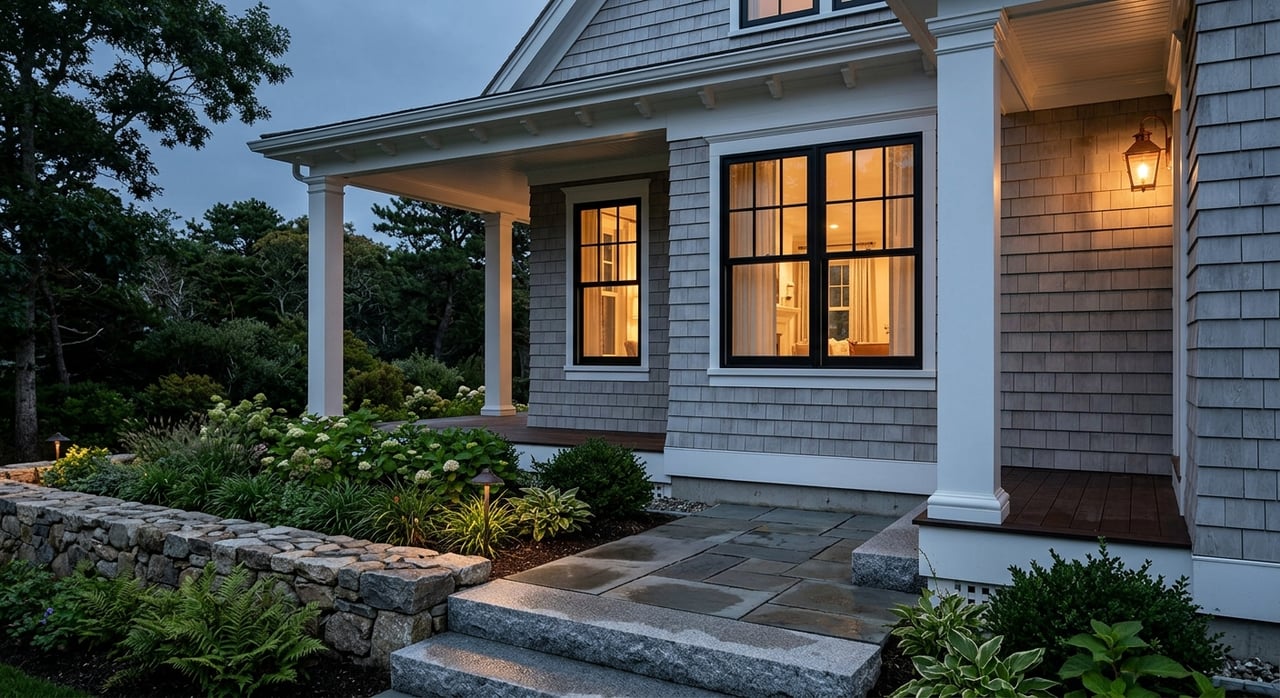
Plan for professional photography with vertical and wide shots, twilight exteriors, and, when appropriate, drone images that show proximity to the shoreline. Add a 3D tour or detailed floor plan so out-of-area buyers can tour virtually. Rich media packages consistently attract more online views and stronger showing activity, which often leads to faster offers in competitive segments.
MLS exposure remains the foundation because buyer agents rely on MLS feeds and major portals syndicate from it. For premium reach, combine MLS with targeted social advertising into Boston-area and second-home audiences, email campaigns to active buyer databases, and polished property brochures and feature sheets. Track key performance indicators like online views, saves, weekly showings, and days on market so you can adjust quickly if needed.
Use this timeline to stay organized. Your agent will tailor it to your home and goals.
Coastal living is a major draw in Swampscott, and buyers increasingly ask about flood risk and insurance. Flood zones are address-specific and can affect lending and premiums. You or your agent can look up your property on FEMA’s Flood Map Service Center and request any Elevation Certificate or LOMA/LOMR records that may clarify risk.
If you want a polished plan that blends smart preparation, precise pricing, and elevated presentation, partner with a North Shore brokerage that treats your home like a headline listing. The Agency Marblehead’s boutique team pairs deep local expertise with national creative and PR reach to deliver white-glove exposure and results. Ready to map your best path to market? Request a Red-Carpet Listing Consultation with Michael Cannuscio.


We pride ourselves in providing personalized solutions that bring our clients closer to their dream properties and enhance their long-term wealth. Contact us today to find out how we can be of assistance to you!

THE AGENCY MARBLEHEAD
72 Front Street, Suite 6, Marblehead, MA 01945