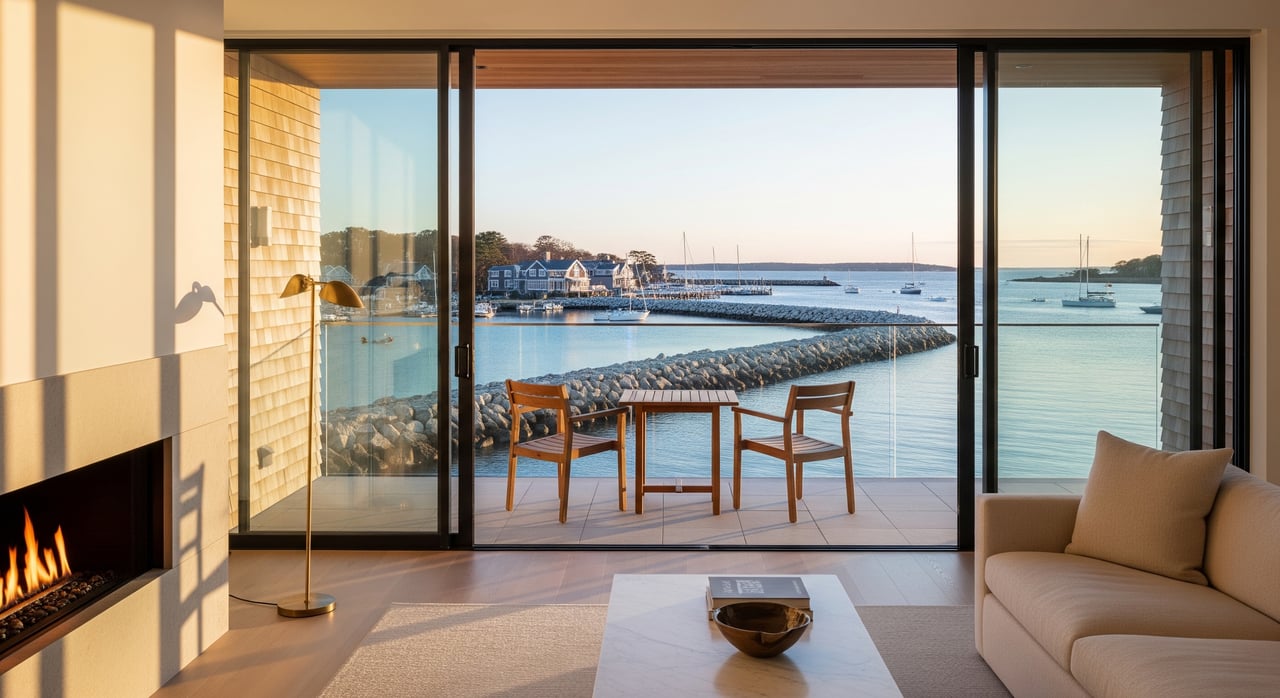
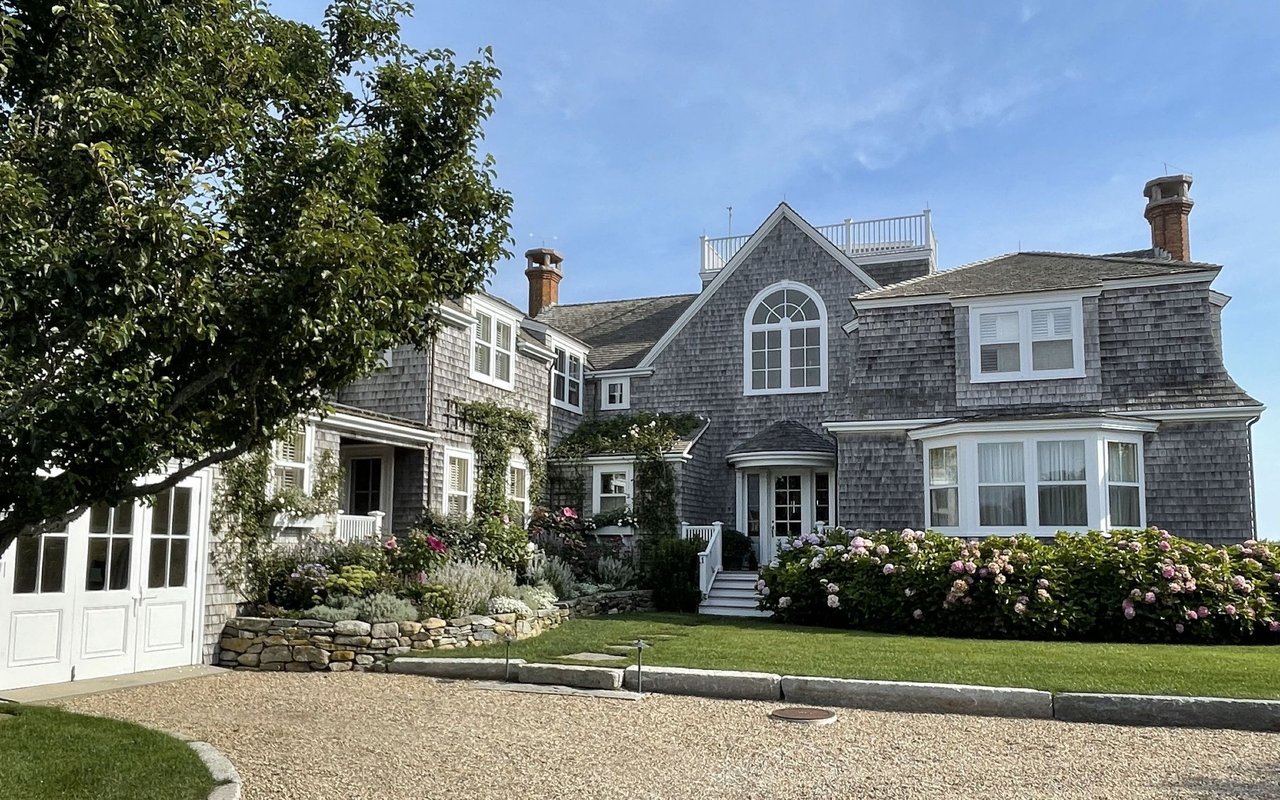
Picture your morning coffee with sailboats gliding across Marblehead Harbor. If you are considering a waterfront condo, you likely want low-maintenance living with quick access to the water and downtown. You also want clarity on costs, flood and insurance factors, and how this choice compares to inland options like Cambridge or Newton. This guide breaks down real costs, daily lifestyle, and practical tradeoffs so you can buy with confidence. Let’s dive in.
What “waterfront” means in Marblehead
In Marblehead, “waterfront” covers several settings:
- Harborfront buildings with direct views of Marblehead Harbor.
- Ocean-facing condos along the Atlantic coast.
- Homes on tidal inlets or creeks that may include docks or slips.
- Smaller multiunit or converted historic buildings near the shoreline.
Public access varies by location. Massachusetts preserves some shore access and rights-of-way, so you may see public walkways, parks, and harborside restaurants near certain buildings. Marblehead also has historic-preservation overlays that can add steps for exterior changes. For local maps, zoning, and permitting, use the Town of Marblehead’s official site. You can verify parcel basics and departments through the Town of Marblehead.
Waterfront listings tend to be seasonal, with more activity in spring and summer. Inventory is tight because many buildings are older and small, and new construction is limited near the water.
What drives purchase price
Water views and access are the top premium. A unit with unobstructed harbor or ocean vistas, or a private dock, slip, or deeded mooring, usually commands a higher price. Here are the most common price drivers:
- View and access. Clear views, balcony exposure, and direct water access increase value.
- Building amenities. On-site parking, elevators, boat or kayak storage, and on-site maintenance add convenience and price.
- Unit size and condition. Larger, renovated floor plans appeal to downsizers seeking turnkey living.
- Walkability. Proximity to downtown Marblehead, marinas, restaurants, and parks increases demand.
- Risk exposure. Units in FEMA AE or VE flood zones may face higher insurance and maintenance costs, which can affect marketability.
- Supply constraints. Limited waterfront stock keeps desirable properties competitive.
Waterfront condos typically sell at a premium versus inland condos in Marblehead and many inland North Shore communities. Exact pricing depends on the building, view, and access. For a current range, review live market data from the local MLS or an agent’s active comps.
Recurring costs to plan for
Owning a waterfront condo includes expenses that differ from inland ownership. Budget carefully for the following.
HOA fees
Your HOA fee usually covers building insurance, exterior maintenance, roof and seawall work, landscaping, snow removal, elevator service, common utilities, and reserves. Fees can be modest in small buildings and higher in luxury complexes, especially where marine exposure raises maintenance needs.
Smart steps:
- Review the HOA’s budget, reserve study, and last 1–3 years of meeting minutes.
- Ask about planned seawall, bulkhead, roof, or dock projects and any special assessments.
- Confirm what utilities are included in the fee.
Insurance and flood zones
Two policies matter: the building’s master policy and your individual HO-6 policy. If the property is in a FEMA flood zone, flood insurance is often required or strongly recommended. Verify the exact flood designation through the FEMA Flood Map Service Center and request the building’s elevation certificate.
Key points to confirm:
- Master policy deductibles for wind or hurricane events, which can be percentage-based in coastal policies.
- Your HO-6 coverage for interior improvements, contents, and loss assessment.
- Flood insurance options through the National Flood Insurance Program or private carriers.
- Consumer guidance from the Massachusetts Division of Insurance on coastal and flood coverage.
Taxes and utilities
Waterfront locations often have higher assessed values, which impact annual property taxes. Verify assessments, abatements, and billing schedules through the Town of Marblehead. Clarify which utilities your HOA covers and what you pay separately.
Maintenance and capital projects
The marine environment accelerates corrosion and wear. Decks, railings, windows, and exterior paint systems may need more frequent attention than inland buildings. Shared marine infrastructure like seawalls, bulkheads, and docks is costly to repair. Confirm who owns each structure and how repairs are funded.
For shoreline planning, erosion, and resiliency, consult the Massachusetts Office of Coastal Zone Management and the NOAA Sea Level Rise resources.
Waterfront lifestyle: benefits and tradeoffs
Living on the harbor is a daily experience, not just a view. Here is what buyers love, and what to expect.
Everyday benefits
- Scenic vistas and changing light with tides, seabirds, and boats.
- Access to marinas, sailing clubs, seafood spots, and town events.
- Lower exterior maintenance for you compared to a single-family home.
- Easy launching for boats and paddle sports if slips, moorings, or storage are available.
Common tradeoffs
- Noise and activity. Summer tourism, harbor traffic, and events can raise noise and foot traffic.
- Privacy. Balconies and walkways can be in public view near popular paths or marinas.
- Parking. On-site parking can be limited. On-street rules or sticker programs may apply.
- Weather exposure. Winter storms and coastal winds can increase drafts, heating costs, and maintenance needs.
- Accessibility. Some older waterfront buildings lack elevators.
If you value being near the action, harborfront energy can be a plus. If you want quiet, consider how seasonal patterns align with your lifestyle.
Waterfront vs inland: Marblehead and Greater Boston
Choosing between Marblehead waterfront living and inland areas like Cambridge, Newton, or Framingham comes down to your priorities.
Maintenance and risk
- Waterfront. Expect more frequent exterior upkeep and higher potential costs for marine structures. Flood policies are common in AE or VE zones and can be costly.
- Inland. Lower corrosion and no seawall or dock exposure. Flood risk is generally lower, though some inland pockets still flood.
Privacy and noise
- Waterfront. More public activity near paths, parks, and marinas.
- Inland. Often quieter with more setback from busy public spaces.
Amenities and access
- Waterfront. Direct access to boating, harbor dining, and coastal walks. High lifestyle value if you prioritize water access.
- Inland. In Greater Boston, many locations offer stronger public transit and urban amenities. Cambridge and Newton provide access to MBTA lines and frequent bus routes, which can matter if you keep a city routine.
Resale and buyer pool
- Waterfront. Strong appeal to buyers who want views and access. Pricing can be seasonal and sensitive to storm headlines.
- Inland. Broader buyer pool that includes commuters and investors, which can support more consistent liquidity.
Bottom line: pay a premium for immediate water access, or focus on lower recurring costs and transit convenience. There is no right answer, only your best fit.
Smart due diligence checklist
Use this list to structure your review before you offer:
- Confirm the FEMA flood zone and obtain the building’s elevation certificate.
- Review HOA budget, reserve study, special assessments, and minutes for 1–3 years.
- Request insurance documents: master policy, deductibles, and guidance for your HO-6 and flood coverage.
- Ask about recent claims and any storm-related repairs.
- Inspect decks, railings, windows, exterior systems, and look for corrosion or moisture issues.
- Request engineering reports for seawalls, bulkheads, and docks. Clarify ownership and funding responsibility.
- Verify deeded parking and any guest parking rules.
- Confirm storage for kayaks and seasonal gear, plus slip or mooring terms in writing.
- Review historic district, conservation, and shoreline rules through the Town of Marblehead and Massachusetts Coastal Zone Management.
- Compare total monthly carrying costs, including HOA, insurance, taxes, and utilities, against an inland condo alternative.
Planning for sea level and storm impacts
Coastal properties face evolving risks. Explore your building’s exposure and nearby shoreline conditions before you buy.
These resources help you ask sharper questions about premiums, deductibles, and long-term capital needs.
Final thoughts
If you dream of stepping out to salt air and harbor views, a Marblehead waterfront condo can deliver a powerful lifestyle upgrade. Take time to confirm flood and insurance details, HOA reserves, and the true scope of marine maintenance. Then weigh those costs against the daily joy of living by the water and the convenience of low-maintenance condo life.
Ready to explore listings, compare carrying costs, or vet HOA documents side by side? Reach out to Michael Cannuscio for private guidance and a strategy tailored to your priorities.
FAQs
What should I know about HOA fees for Marblehead waterfront condos?
- Fees vary by building size, amenities, and marine exposure. Review the budget, reserve study, and minutes to spot upcoming seawall, roof, or dock projects that could require special assessments.
How do FEMA flood zones impact my insurance and loan?
Harborfront vs oceanfront in Marblehead: what is the difference?
- Harborfront condos offer views of boat activity and closer access to marinas and downtown. Oceanfront condos face the Atlantic and can feel more exposed to weather, with different wind and wave impacts to consider.
How does a Marblehead waterfront condo compare with a Cambridge or Newton condo for day-to-day life?
- Marblehead offers water access and coastal amenities but relies more on driving to transit hubs. Cambridge and Newton typically provide stronger transit options and urban amenities, which may suit you if you keep a city routine.
What inspections are most important for waterfront buildings?
- In addition to a standard home inspection, focus on decks, railings, windows, exterior cladding, and signs of corrosion or moisture. Request engineering reports for seawalls or docks and ask for repair invoices and scopes.
Are short-term rentals allowed in Marblehead waterfront buildings?
- Rules vary by HOA and local regulation. Confirm any rental restrictions in the master deed and bylaws, and check with the Town of Marblehead for applicable local rules.