Waterfront Living In Ipswich: What Buyers Should Understand
April 2, 2026
April 2, 2026
Picture waking up to marsh light, river tides, or an open Atlantic horizon and assuming every Ipswich waterfront home offers the same experience. In reality, waterfront living here is far more nuanced. If you are considering a purchase in Ipswich, understanding how shoreline type, flood exposure, access, and conservation rules affect daily life can help you buy with more confidence. Let’s dive in.
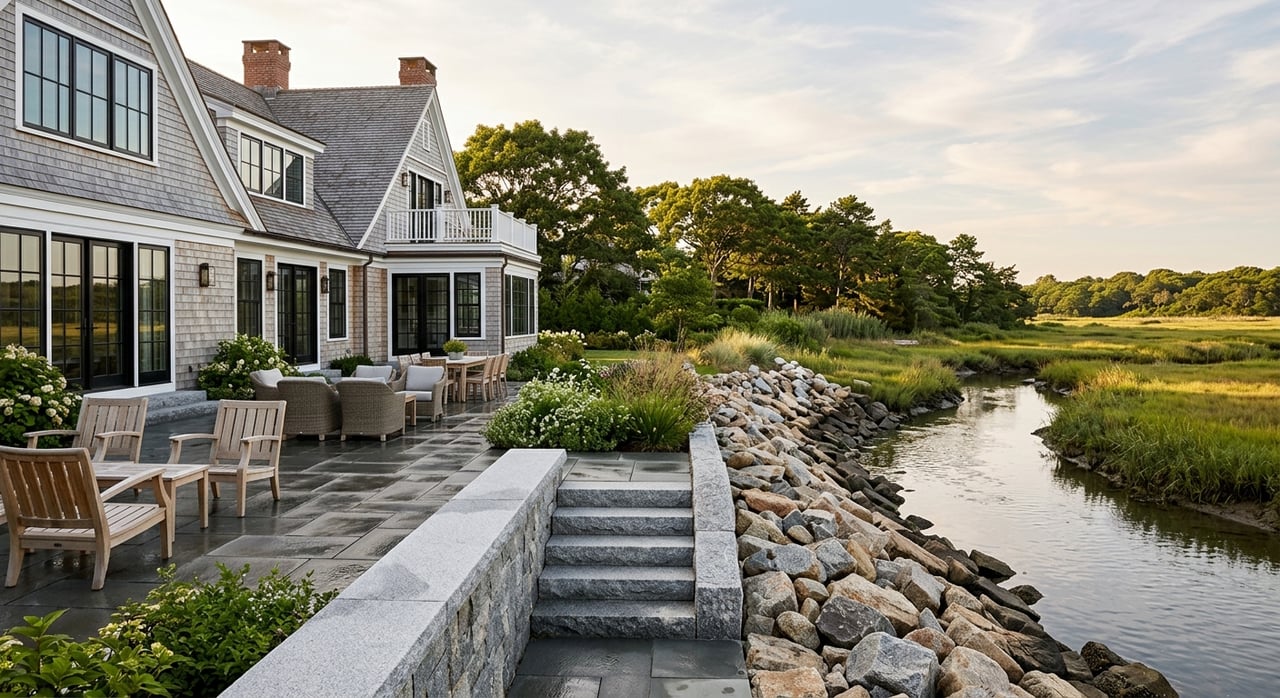
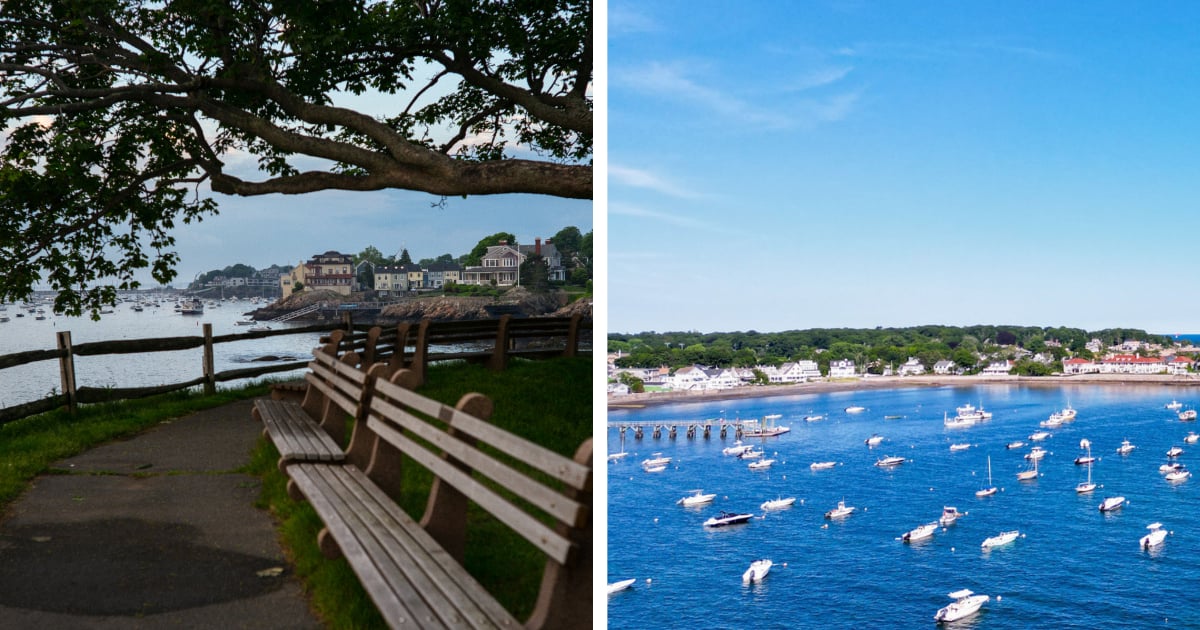
When you hear “waterfront” in Ipswich, it helps to think beyond a single beach. According to the town’s character statement, Ipswich is shaped by the Atlantic Ocean, the Ipswich River, tidal estuaries, wetlands, marshes, beaches, and dunes.
That variety matters because two properties that both seem “on the water” can live very differently. One may overlook open ocean, another may sit along a marsh edge, and another may be near a tidal river with changing water levels and conservation buffers.
The scale of this coastal setting is significant. The Great Marsh Area of Critical Environmental Concern includes 25,500 acres of barrier beach, dunes, salt marsh, and water bodies, and Mass.gov notes it contains the largest salt marsh system north of Long Island.
In Ipswich, the shoreline experience depends heavily on the specific lot. Public access and recreation areas such as Peatfield Landing, Great Neck Overlook, Pavilion Beach, and Crane Beach exist alongside more private-feeling or managed-access areas.
That means your day-to-day experience may include very different conditions depending on where you buy. Views, traffic, parking patterns, boating access, and the sense of privacy can shift sharply from one street or shoreline edge to the next.
The town also identifies tidal estuaries as places used for boating, angling, and shellfishing. For buyers, that makes water quality, runoff, and shoreline management part of the overall ownership picture, not just the view from the house.
Ipswich waterfront housing did not develop in one uniform pattern. The town explains that Great Neck and Little Neck were once used mainly for grazing, then later subdivided into house lots, with Little Neck described as predominantly a summer colony where many seasonal homes have been converted to year-round use.
That history still shows up in the housing stock today. In some areas, you may find compact cottages and modest homes on smaller lots, while nearby coastal areas also reflect a more expansive, estate-scale pattern.
The town’s streetscape guidance notes that development on Little Neck grew significantly in the 1940s and 1950s, helping explain why some homes feel more seasonal in scale and layout than others. If you are comparing properties, lot size, setback, and building form may tell you as much as the address itself.
In waterfront real estate, a view can add a lot of appeal, but in Ipswich, exposure matters just as much. The town describes the eastern coastal area as open and exposed, and notes the importance of maintaining views while respecting local character.
A home facing broad marsh or ocean can feel dramatic and beautiful, but it may also have less shelter from wind and weather. Another property on a more buffered road with mature vegetation may offer a quieter setting, even if it has less direct water frontage.
The practical takeaway is simple: do not assume a neighborhood label tells the whole story. In Ipswich, privacy, sightlines, and weather exposure are highly parcel-specific.
Access to the water is part of what draws many buyers to Ipswich, but it can also influence how a property feels during the busiest seasons. The town maintains open space resources and trail easements, while Great Neck Overlook and Pavilion Beach offer public access.
Crane Beach operates a little differently, with timed passes and resident stickers when capacity is reached, and some nearby parking restrictions can apply in peak season. For some buyers, that nearby recreation is a major lifestyle benefit. For others, seasonal traffic, parking pressure, and foot traffic may be an important consideration.
If you are buying for peace, convenience, or year-round enjoyment, it is worth visiting the area more than once. A street that feels quiet in winter may function differently in midsummer.
Flood status is one of the most important things to understand before buying waterfront property in Ipswich. The town’s zoning bylaw places special flood hazard areas in the Flood Plain District, including Zones A, AH, AO, AE, and VE.
Those VE coastal high hazard areas are especially important because the bylaw describes them as extremely hazardous due to tidal surges and hurricane wave wash. The same bylaw requires new construction in those areas to be landward of mean high tide.
This is one reason waterfront value is not only about how close a home sits to the water. Elevation, flood exposure, and use limitations can have a major effect on both ownership costs and future plans.
Many waterfront buyers think first about the house, but the lot itself often deserves equal attention. In Ipswich, the Conservation Commission regulates work within 100 feet of a wetland, 150 feet of an ACEC, and 200 feet of a river or perennial stream, based on the town’s zoning framework.
That can affect projects you may be considering after closing. Grading, drainage work, shoreline improvements, docks, and certain site changes may require review well before work begins.
This does not mean a property is unworkable. It means you should understand early whether the parcel supports your plans as-is, especially near marshes, tidal creeks, and beach access roads.
Ipswich’s shoreline is dynamic, and that matters for long-term ownership. The state’s Massachusetts Shoreline Change Project explains that shoreline positions change over time due to wind, waves, tides, seasonal variation, sea-level fluctuation, and human alteration.
Ipswich’s resiliency work adds useful local context. Pavilion Beach experiences frequent erosion and storm flooding, Little Neck access can be cut off during surge events, and Crane Beach can also be affected by flooding around the back side through the marshes.
For buyers, this is a reminder to evaluate the setting as well as the structure. Road access during storms, shoreline stability, and the property’s position relative to marsh and beach systems all matter.
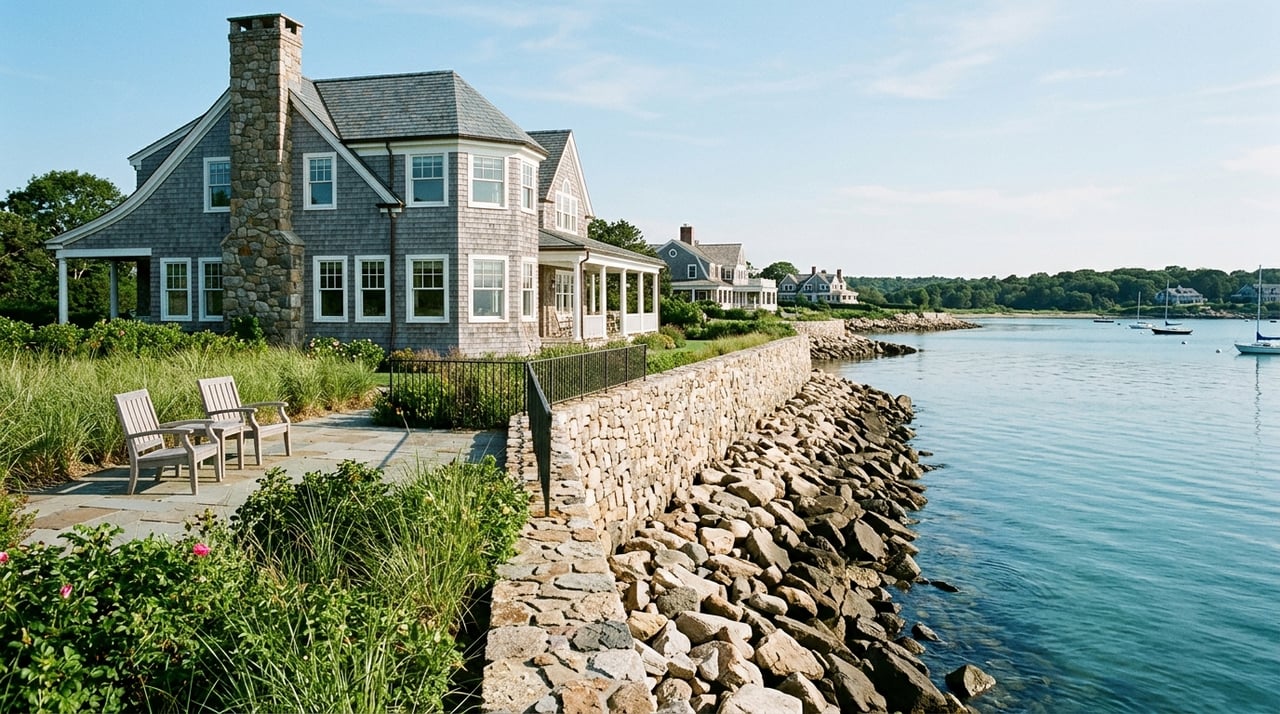
Waterfront living often comes with higher maintenance, even when a home appears to be in strong condition. FEMA notes in its guidance on corrosion protection in coastal areas that salt spray and onshore winds can significantly accelerate corrosion of metal connectors and fasteners.
Over time, that can affect railings, decking hardware, flashing, and other exposed components. For buyers, this means routine inspection and upkeep are part of the cost of enjoying a coastal setting.
A well-positioned home may still be a strong fit, but it is smart to budget with coastal wear in mind. In Ipswich, salt exposure is not a small detail. It is part of the ownership equation.
If you are serious about buying waterfront property in Ipswich, your due diligence should go beyond a standard showing and general inspection. Site conditions, flood risk, and conservation constraints deserve a closer look.
Here are the most useful steps to prioritize:
These steps can help you compare homes more accurately. Two properties with similar water views may come with very different practical limitations and costs.
The best way to think about waterfront living in Ipswich is as a site-by-site decision. The town’s coastal landscape is beautiful and varied, but ownership experience often depends less on the headline view and more on the details behind it.
When you understand shoreline type, elevation, access, exposure, and regulatory limits, you can make a more informed choice. That kind of clarity is especially valuable in a market where marsh-edge, river-adjacent, and ocean-facing homes can each offer something distinct.
If you are weighing a waterfront purchase on the North Shore, working with a team that understands coastal property nuance can make the process far more strategic. Michael Cannuscio brings a thoughtful, high-touch approach to helping buyers evaluate lifestyle, property conditions, and long-term fit.



Real Estate
We pride ourselves in providing personalized solutions that bring our clients closer to their dream properties and enhance their long-term wealth. Contact us today to find out how we can be of assistance to you!
THE AGENCY MARBLEHEAD
72 Front Street, Suite 6, Marblehead, MA 01945