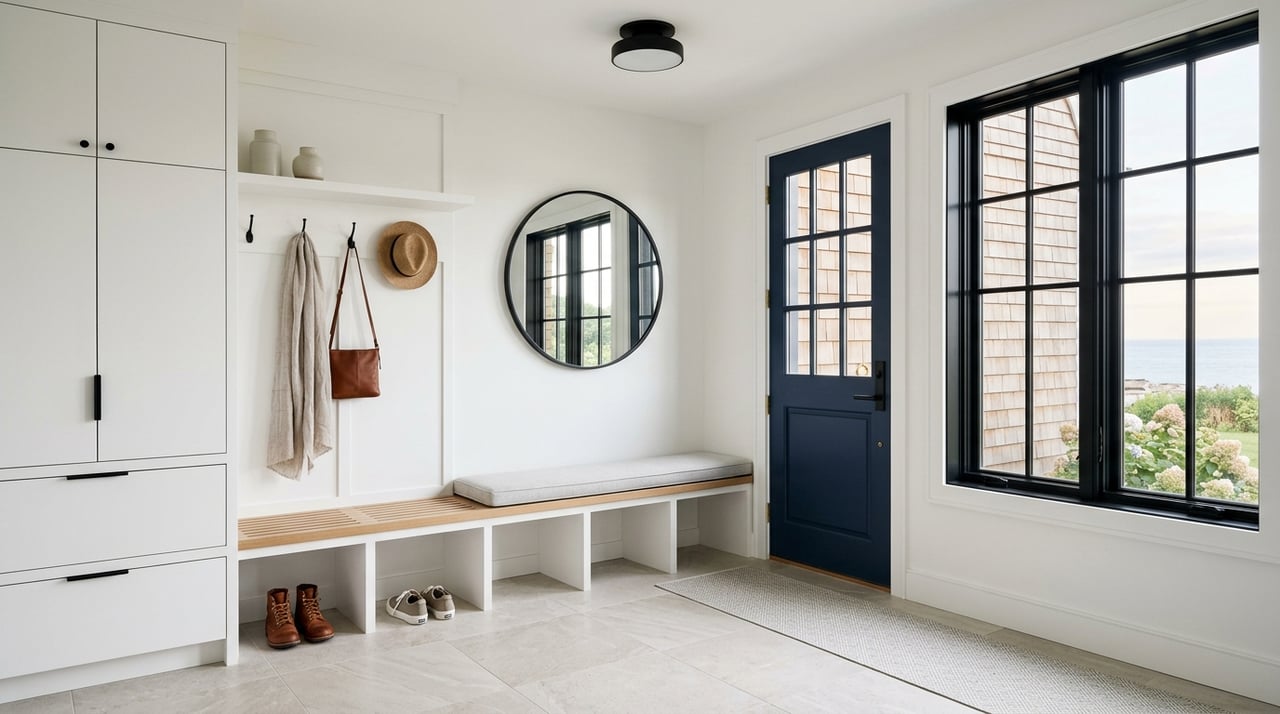
Gloucester Coastal Rentals: Key Points For Short-Term Investors
April 16, 2026
April 16, 2026
Thinking about buying a short-term rental in Gloucester? It can be an appealing coastal investment story, but this is not a plug-and-play vacation market. Gloucester blends beaches, harbor activity, maritime tourism, and a working waterfront, so your success depends on understanding seasonality, local rules, and the realities of operating in a coastal city. If you want to evaluate Gloucester with clear eyes, these are the key points to know before you invest. Let’s dive in.
Gloucester is not a generic beach town. Official city materials describe it as a working waterfront in America’s oldest seaport, and the city’s Visitor Center operates seasonally from Memorial Day through Columbus Day, which points to a visitor economy closely tied to the tourism calendar.
That matters if you are underwriting a short-term rental. Demand may be strongest when visitors come for harbor activity, beaches, boat excursions, whale watches, and the city’s maritime character, rather than evenly across all 12 months. Gloucester can offer compelling appeal, but it often requires a more seasonal mindset than a year-round urban rental.
Gloucester’s short-term rental rules define these rentals broadly. According to the city’s short-term rental guidelines, eligible property types can include apartments, houses, cottages, condominiums, and other furnished accommodations rented for 30 days or less.
That gives you more flexibility when searching for an investment. You are not limited to detached homes, and depending on your budget and goals, a condo, cottage, or smaller multifamily property may also fit the local market.
The city’s housing assessment adds useful context. It states that single-family homes make up about 56% of Gloucester’s housing stock, with much of the remaining inventory in small multifamily buildings, and estimates 1,114 units for seasonal use. For investors, that suggests a market where smaller-scale residential assets may be more realistic acquisition targets than large lodging-style properties.
Before you get excited about summer demand, look carefully at acquisition cost. Gloucester’s housing assessment estimates the 2025 median sale price for a single-family home at about $715,000.
That number should shape your expectations on cash flow, financing, and return. In a market with meaningful seasonality, a higher purchase price can make it even more important to model occupancy, taxes, insurance, and downtime conservatively.
Gloucester’s visitor economy is tied closely to the harbor and shoreline experience. City materials on the visitor-based economy highlight the working waterfront, fishing fleet, and harbor-facing attractions as central to local tourism.
Beach activity also helps define the rhythm of demand. Wingaersheek Beach is described as especially popular in the summer months, and when you pair that with the city’s seasonal visitor center schedule, the likely peak window appears to be late spring through early fall.
For you as an investor, that means summer weekends and event-driven periods may carry outsized importance. It also means you should think through shoulder-season performance, off-season pricing, and whether the property still works financially when occupancy softens.
Guest expectations in Gloucester can differ from those in a quieter resort-style destination. This is an active harbor city, and the same waterfront energy that attracts visitors can also bring traffic, parking constraints, and a more operational coastal environment.
The city’s rules reflect that reality. Gloucester requires hosts to post parking rules, trash instructions, and emergency contact information inside the unit under its short-term rental ordinance materials. That is a useful clue for investors: operations matter here.
If you buy in Gloucester, your success may depend as much on practical management as on the view or proximity to the water. A well-run rental that sets clear expectations can support better guest experiences and smoother compliance.
Regulation should be one of the first items in your diligence process, not the last. Gloucester’s current materials state that short-term rentals are governed by Section 5-63 of the city code, with ordinance updates effective in 2025.
The local ordinance applies to units offered for short-term rental for more than 15 days in a calendar year. It defines a short-term rental as a stay of fewer than 30 consecutive days, requires annual permit renewal, and lists a December 1 renewal deadline in the city’s ordinance materials.
There are also operating limits you should not overlook. Gloucester states that a unit may be rented to only one party at a time, and not as separate bedroom or bed rentals. The city also prohibits hourly rentals, commercial functions, private functions, and weddings.
Permit costs vary by unit type. The city’s posted materials list annual fees of $100 for shared residential units, $150 for primary residential units, and $300 for non-primary residential units in the local fee schedule and ordinance packet.
Occupancy rules matter too. Gloucester sets occupancy at two guests per bedroom plus two additional guests total, with a septic-related exception that can limit occupancy to two per bedroom. If you are comparing properties, bedroom count and wastewater constraints may directly affect revenue potential.
The city also requires a 24-hour local contact, smoke and carbon monoxide detectors, posted parking and trash rules, and record retention for three years. Registrations are tied to the owner rather than the property and terminate upon sale or transfer, which is especially important if you are acquiring an existing rental and assuming you can simply continue operations as-is.
Gloucester investors also need to account for state and local tax obligations. Massachusetts imposes a state room occupancy excise of 5.7%, and Gloucester has adopted a 6% local room occupancy tax plus a 3% short-term rental community impact fee.
Those charges can materially affect pricing strategy and net income. You should also know that Massachusetts requires operators to register with the Department of Revenue and obtain a certificate for each property subject to the tax rules.
Insurance is another critical item. Massachusetts requires at least $1,000,000 in liability coverage for short-term rentals. If you are evaluating a coastal property, insurance pricing and coverage details deserve early attention, not an afterthought near closing.
Gloucester now has a separate Residential Rental Registration Program. According to the city’s rental registry FAQ, any income-producing residential rental property in Gloucester, including short-term, seasonal, room, ADU, and vacation rentals, must register.
The same FAQ warns of a $500-per-day fine beginning August 1, 2025, for failure to register. For investors, this is a strong reminder that compliance in Gloucester is not limited to one permit or one agency.
If you are considering a condominium, do not assume the city’s short-term rental rules are the only hurdle. Massachusetts notes that condominiums are privately governed by master deeds, bylaws, and Chapter 183A guidance, and condo or HOA rules may prohibit short-term rentals entirely.
This is one of the most important diligence steps for condo buyers. A unit may appear to work on paper, but private governing documents can change the picture quickly.
In Gloucester, site conditions can matter as much as the building itself. Coastal lots may involve floodplain, wetlands, septic, or conservation-related considerations that affect use, occupancy, insurance, or permitting.
The city’s Conservation Commission oversees wetlands and floodplain resource areas, and the city also references floodplain development review in related land-use materials. If a property is near the water, you should confirm early whether any site-specific limits could affect your investment plan.
Before you move forward on a Gloucester short-term rental, make sure you verify these items:
In a market like Gloucester, careful diligence can help you avoid expensive surprises after closing.
Gloucester can be attractive if you want a coastal property in a destination shaped by beaches, boating, harbor life, and historic maritime identity. But it is best approached as a specialized market, not a simple vacation-rental formula.
You will likely need to evaluate seasonality, local regulation, taxes, insurance, and property-level constraints with real discipline. If you do, Gloucester may offer strong lifestyle appeal and investment potential, especially for buyers looking at cottages, condos, single-family homes, or smaller multifamily assets in a true North Shore coastal setting.
If you are exploring Gloucester coastal property with an investor lens, Michael Cannuscio can help you assess opportunities across the North Shore with a tailored, high-touch approach.

We pride ourselves in providing personalized solutions that bring our clients closer to their dream properties and enhance their long-term wealth. Contact us today to find out how we can be of assistance to you!
THE AGENCY MARBLEHEAD
72 Front Street, Suite 6, Marblehead, MA 01945