How Salem’s Tourism Seasons Affect The Housing Market
July 16, 2026
July 16, 2026
If you are thinking about buying or selling in Salem, timing matters, but maybe not in the way you expect. Salem’s tourism calendar can shape how easy it is to tour homes, schedule showings, and move around the city, yet it is only one piece of a market that is already tight and fast-moving. When you understand how visitor seasons affect the rhythm of the local market, you can make smarter decisions with less stress. Let’s dive in.
Salem is a year-round destination, but October stands apart. According to Destination Salem, more than one million visitors come to the city during Haunted Happenings, and October 2025 brought 1.1 million unique visitors and 1.4 million visits. Halloween day alone drew 96,600 visitors.
That kind of attention changes the feel of the city in a big way. Streets are busier, parking is tighter, and getting from one showing to the next can take more planning than usual. If you are buying or selling during fall, those details can affect your experience more than you might think.
It is easy to assume that tourism drives Salem’s housing market, but the bigger story is supply. Recent market snapshots from Redfin, Zillow, and Realtor.com all point to the same pattern: homes are selling quickly, competition is real, and inventory remains limited. Reported figures vary by source, but recent data shows median sale prices around the high $500,000s to low $600,000s, with homes often moving to pending status in days or a few weeks.
The City of Salem’s housing report adds important context. Between 2020 and 2025, condo prices rose 36.8% and average rent rose 34.8%. Vacancy rates were also very low, at 0.3% for owned housing and 1.9% for rentals, which the city notes are below healthy-vacancy benchmarks.
In other words, Salem was already a constrained market before seasonal tourism entered the picture. Visitor traffic can change the pace and logistics of a transaction, but it is not the main reason the market feels competitive.
In many housing markets, spring and summer tend to be the busiest periods for listings and sales. Salem is a little different because its biggest visitor surge arrives in October, after the usual peak home shopping season has already built momentum.
That means October often affects the tempo of real estate more than the core demand cycle. You may see more foot traffic in the city and more outside attention on Salem’s historic and lifestyle appeal, but that does not necessarily mean October is the strongest month to launch every listing or begin every home search.
Destination Salem notes that September often brings more availability and fewer waits than October. It also says early November can offer much of the fall experience with lighter crowds.
For real estate, that matters. Buyers may find it easier to tour homes and explore the city in a more relaxed way during these shoulder periods. Sellers may also have an easier time coordinating photography, open houses, inspections, and contractor visits when access is simpler.
If you want to understand Salem’s atmosphere at its busiest and most visible, October can be useful. You can experience the city when events, visitors, and seasonal activity are at their highest. For some buyers, especially those drawn to Salem’s historic setting and cultural identity, that can help confirm whether the lifestyle is the right fit.
Still, October is not always the easiest month to shop. Heavy traffic, limited parking, and crowded public spaces can make property tours feel rushed or harder to schedule. A home that seems close to a destination on paper may feel different when streets are packed and travel times stretch.
If your priority is a smoother buying process, September and early November may offer a better balance. You can still see Salem during an active season, but with fewer crowds and less pressure around simple tasks like parking or moving between appointments.
That can make it easier to focus on the property itself. You have more room to evaluate layout, condition, street access, and how the home fits your daily routine, instead of spending your energy managing citywide congestion.
No matter the month, Salem remains a fast-moving market. Redfin reports homes receive about three offers on average and sell in about 22 days, while Zillow’s June 2026 snapshot says homes go pending in about 8 days.
For you as a buyer, that means preparation matters. Seasonal tourism may affect your schedule, but competition and limited supply are still the bigger forces behind how quickly you need to act.
For some homes, especially those tied to Salem’s walkable, historic, or lifestyle appeal, October can increase attention. The city is top of mind for a wide audience during fall, and that visibility may help reinforce the story of a well-presented property.
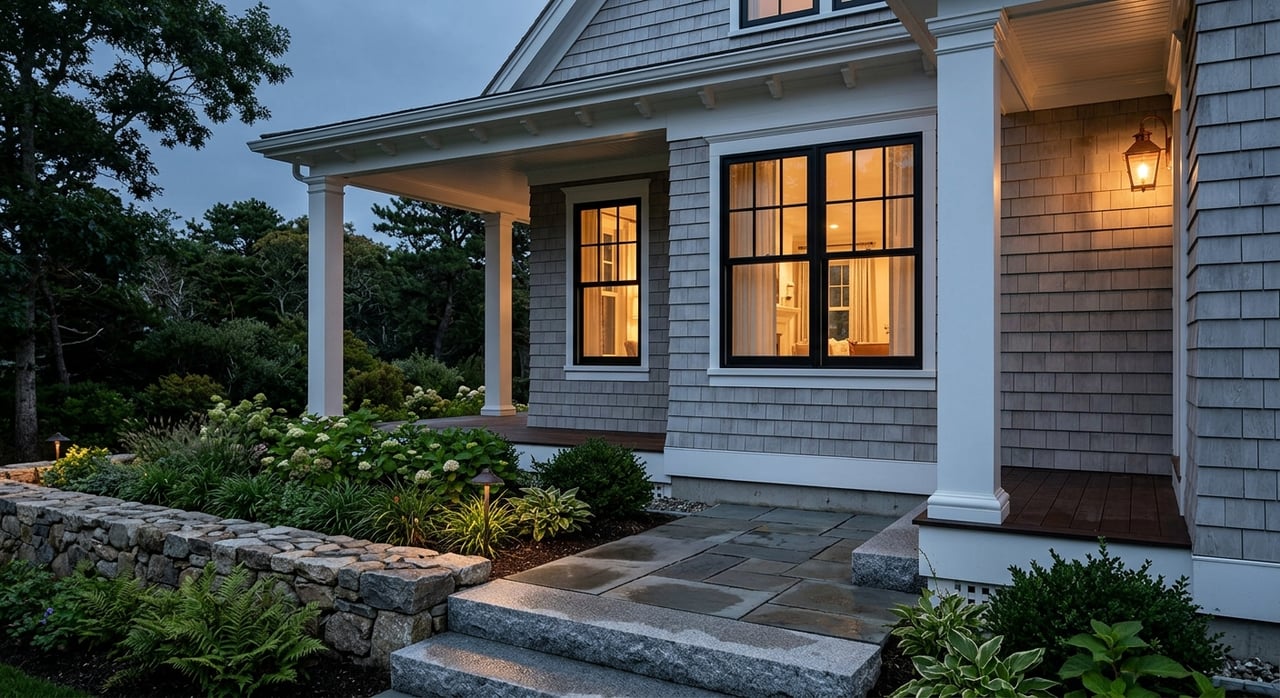
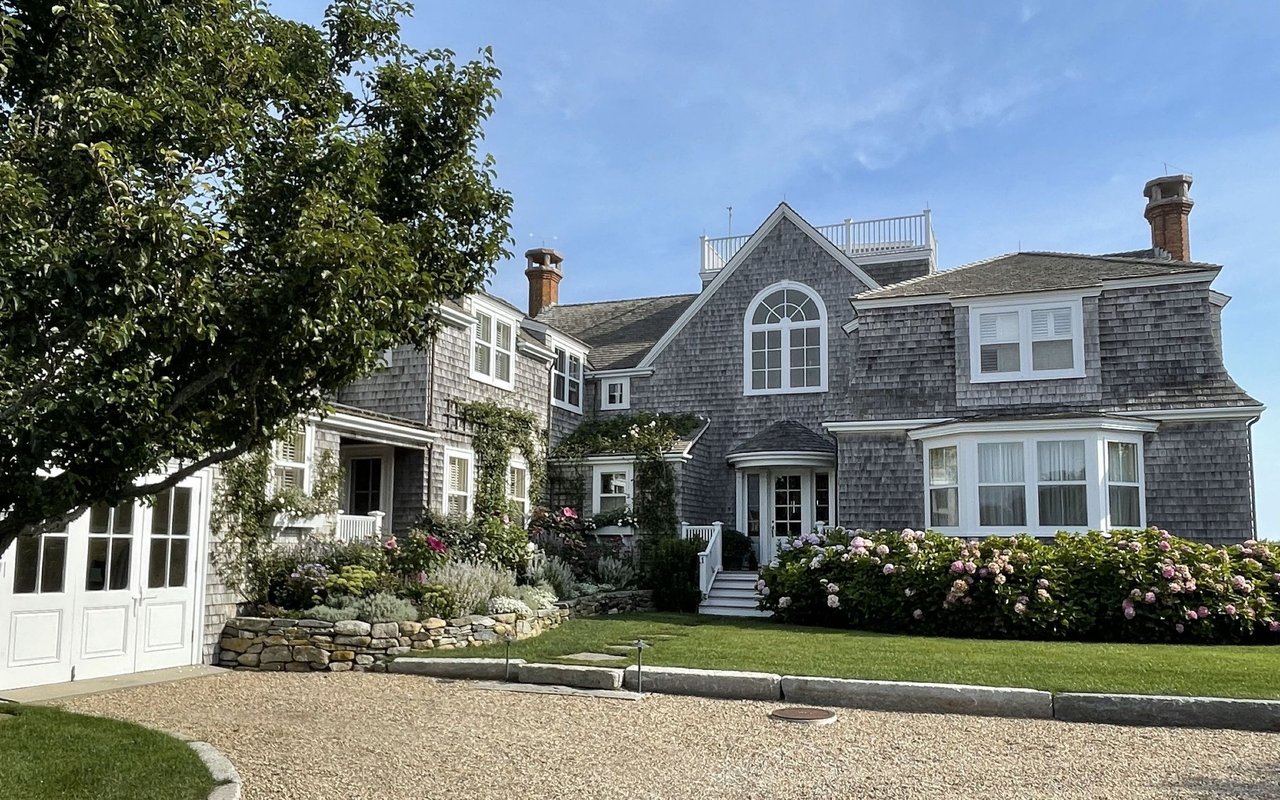
This is especially relevant when a home benefits from strong visual storytelling. If buyers are already thinking about Salem’s character, architecture, and sense of place, a polished listing can stand out even more.
The challenge is execution. Showings, open houses, inspections, appraisals, and moving schedules can all be trickier during peak visitor periods, especially on weekends.
The City of Salem puts special October parking and transportation measures in place to reduce neighborhood impacts. The city offers resident permits on designated streets, provides weekend shuttles between satellite lots and downtown, and encourages people to plan ahead and use public transportation. These steps help, but they also show how much October changes day-to-day access.
For many sellers, the best strategy may be to capture fall appeal without leaning into the busiest days of the season. September and early November often create a more controlled setting for photography, private showings, and buyer tours.
That can be valuable if your goal is a refined presentation and a smoother transaction process. Strong marketing is not just about visibility. It is also about making sure buyers can comfortably experience the home.
Fall weather is another factor worth watching. Destination Salem reported that October 2025 visitation stayed above one million visitors even with nine rainy days, though weather disrupted ferry operations and affected some repeat visits.
For real estate, that is a practical reminder. Weekend plans, travel routes, and showing schedules can change quickly in Salem during fall, especially when weather and tourism overlap. If you are buying or selling, flexibility helps.
Some buyers assume a high-tourism city creates simple short-term rental opportunities. In Salem, that is not the case.
The city regulates short-term rentals closely. Operators must register annually, obtain a Certificate of Fitness, and in some cases secure a permit from the Zoning Board of Appeals. The city also states that new non-owner-occupied short-term rentals are not permitted, and room occupancy excise tax applies.
If you are considering a property with rental goals in mind, local rules need to be part of the conversation from the start. Tourism demand may be strong, but it does not automatically translate into unrestricted short-term rental potential.
Tourism is only one force influencing Salem real estate. Local housing policy plays a role as well.
For example, Salem’s 2025 Condominium Conversion Ordinance was designed to slow the loss of naturally affordable rental housing to condo conversion. The ordinance includes tenant notice, purchase, and relocation protections.
That broader policy environment matters because it shows Salem is balancing visitor activity with long-term housing needs. When you look at the market through that lens, it becomes clear that seasonal buzz sits on top of deeper supply and affordability pressures.
If you are trying to choose the best season to buy or sell, it helps to think about your priorities first.
You may prefer:
You may prefer:
Salem’s tourism seasons absolutely affect the housing market, but mostly through timing, access, and experience. October brings unmatched visibility and energy, while shoulder seasons often make the real estate process easier to manage.
Underneath that seasonal rhythm, the bigger market story remains the same: limited supply, fast-moving inventory, and local housing rules that shape what buyers and sellers can realistically expect. If you match your timing to your goals, you can use Salem’s seasonal patterns to your advantage instead of letting them catch you off guard.
Whether you are preparing to list a historic property or looking for the right Salem home at the right moment, working with a team that understands both market data and local timing can make all the difference. If you are planning your next move on the North Shore, connect with Michael Cannuscio for tailored guidance and a polished strategy.

We pride ourselves in providing personalized solutions that bring our clients closer to their dream properties and enhance their long-term wealth. Contact us today to find out how we can be of assistance to you!
THE AGENCY MARBLEHEAD
72 Front Street, Suite 6, Marblehead, MA 01945