Ever picture yourself waking up to salt air, coffee in hand, and your boat just a short walk away? If Marblehead Harbor is on your radar, you are not alone. Many buyers fall in love with the historic charm, strong sailing culture, and the ease of getting on the water. This guide shows you what living near the harbor really feels like, how moorings and marinas work, the character of nearby neighborhoods, and what to check before you buy. Let’s dive in.
Marblehead Harbor lifestyle at a glance
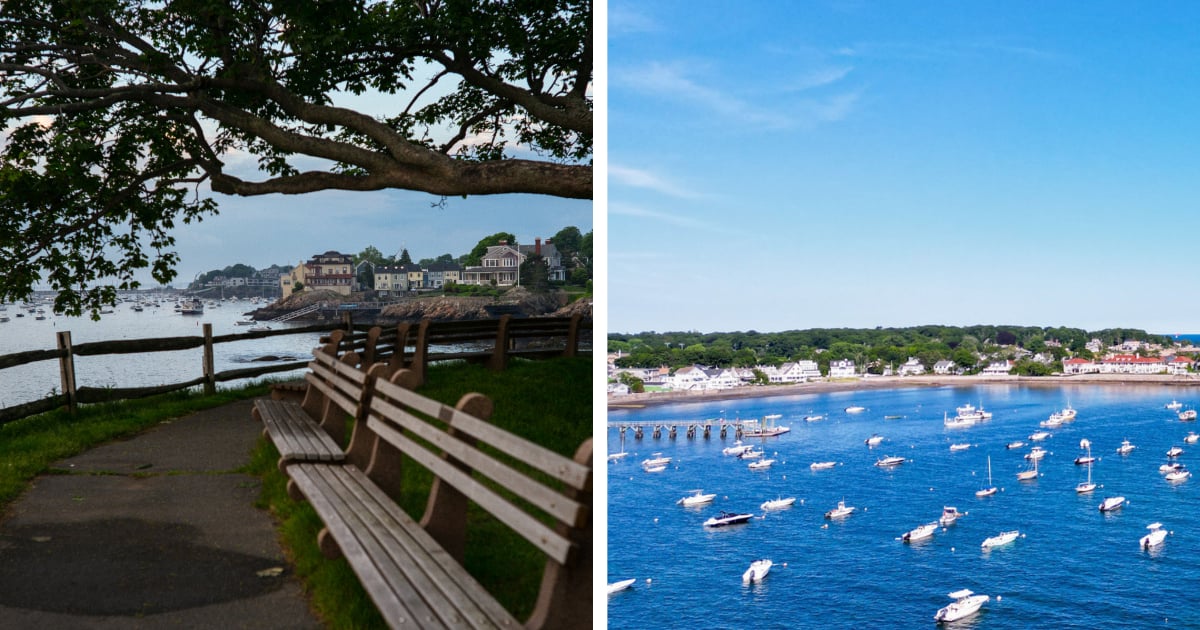
Marblehead is a classic New England harbor town with a proud sailing tradition. In summer, the waterfront comes alive with boat traffic, sailing instruction, and harborfront dining. You will notice more pedestrians, more events, and longer waits for parking.
Spring and fall are calmer but still active, with locals out on the water and year-round restaurants and shops open. Winter slows the harbor’s pace. Boatyards handle haul-outs and maintenance, and many activities move indoors until the weather turns.
The takeaway is simple. Proximity to the harbor shapes your everyday life. You may trade quieter streets for walkability and views, or you may choose a bit of distance for easier parking and more privacy.
Boating access: marinas, moorings, clubs
If you plan to keep a boat in Marblehead, you have several paths to the water. Each has different costs, wait times, and day-to-day routines.
Public moorings
Town-administered seasonal moorings are common in New England harbors, and Marblehead is no exception. Permits, assignments, and rules are managed by the Harbormaster. Waiting lists are typical in desirable areas and can shift year to year. Plan ahead, and verify current procedures directly with the Harbormaster’s office.
Private marina slips
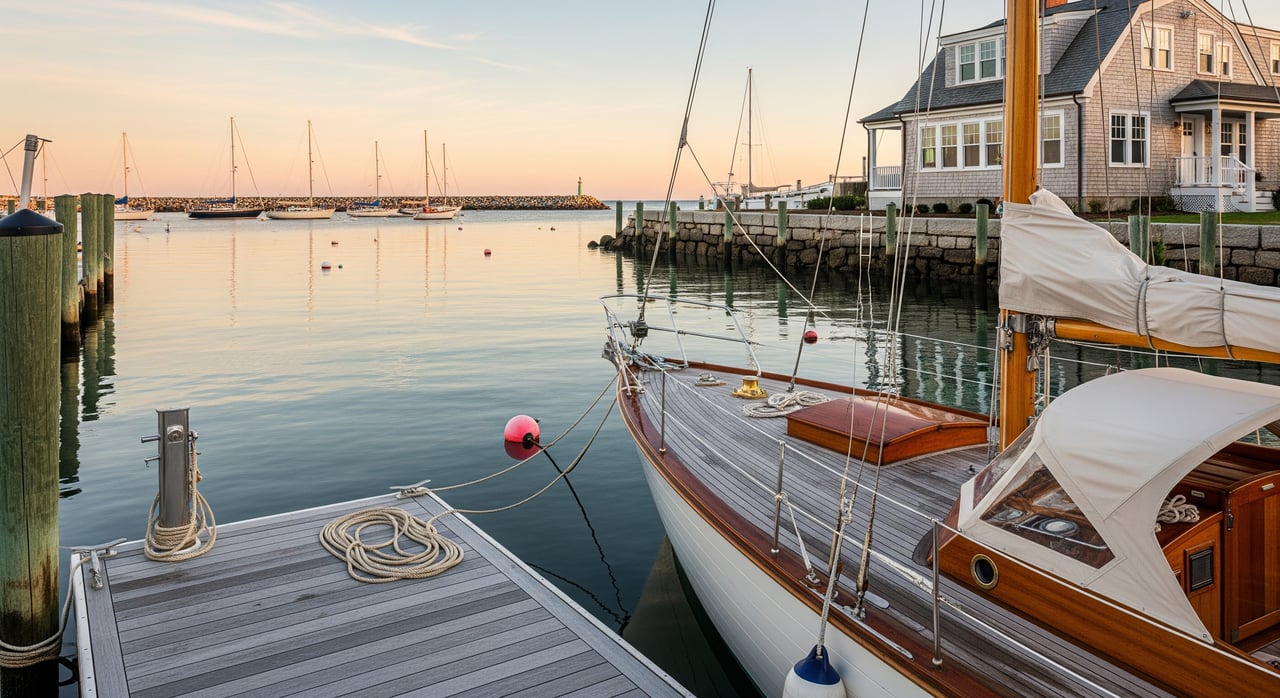
Private marinas offer paid slips, usually on a seasonal or annual basis. Rates vary and often include options for electricity and water. Many marinas provide winter storage and haul-out for a fee. Ask about contract terms, service availability, and what happens if your plans change mid-season.
Yacht and sailing clubs
Local yacht and sailing clubs are social and racing hubs. Membership may include access to docks, race programs, guest moorings, and sailing schools. If club life is important to you, research membership pathways, seasonal calendars, and guest policies.
Dinghy and shore access
Many boaters use dinghies to reach moored boats. Confirm where you can store a dinghy, where you can land it, and the rules for shore access. Some streets and parks have restrictions, and private docks may limit guest use.
Haul-out and winter storage
Check whether your preferred marina or yard offers a travel lift, crane services, and off-season storage. Having these services nearby can save time and simplify winterization.
Quick boat access checklist
- Confirm mooring waitlist status and permit rules with the Harbormaster.
- Compare slip rates, included utilities, and storage options at private marinas.
- Ask about launch, haul-out, and repair capacity for your boat size.
- Map how you will reach your boat daily, including parking and dinghy logistics.
- Review local regulations on speed zones, no-wake areas, and mooring use.
Neighborhoods around the harbor
Different enclaves around Marblehead Harbor offer distinct experiences. Small shifts in location can change your views, noise levels, and parking routine.
Old Town waterfront
Here you are closest to marinas, promenades, and harbor-view dining. Streets are historic, narrow, and highly walkable. The upside is instant access to the waterfront. The tradeoff is more seasonal pedestrian activity and tighter parking. This area suits buyers who want a classic harbor setting and short walks to boats and restaurants.
Marblehead Neck
Set on the peninsula, Marblehead Neck delivers a seaside feel with beaches, small parks, and sheltered inlets on the harbor side. The ocean side brings bigger views and exposure. You will find pockets of privacy and easy access to shore paths. It is a strong fit if you want both beach and harbor amenities within a quiet residential setting.
West and South Marblehead
These areas feel more suburban with larger lots and, in places, newer homes. The vibe is calmer and parking is easier, while the harbor remains a short drive away. Buyers who want space and value per square foot often look here, balancing proximity to amenities with everyday convenience.
Small coves and inlets
Tucked-away clusters around smaller coves can feature private or shared waterfront, narrow roads, and limited public parking. Residents often have close neighbor relationships and direct small-boat access. If you want intimate water access without being on the main harbor promenade, these spots can be appealing.
Amenities and seasonal rhythm
Waterfront restaurants, cafés, galleries, and specialty shops cluster near the harbor and downtown streets. Some operate year-round, while others expand outdoor seating in summer. That shift increases energy and foot traffic when the weather is warm.
Recreation options include sailing instruction, youth programs, small beaches for swimming and launching, and walking paths with harbor views. Yacht club racing schedules and regional regattas are a regular part of the calendar, drawing visitors and creating lively weeks during racing season. Town events and seasonal festivals add to the mix.
The key is to decide how much you want to participate in the peak-season buzz versus seeking quieter periods. Visit during multiple seasons to get the full picture.
Buying logistics and budgeting
A great harbor lifestyle starts with a solid plan. Use these checkpoints to align expectations and costs.
Access and mobility
- Decide if you need a mooring or slip near your door, or if a short drive works.
- Test walking routes, street grades, and sidewalks from likely homes to the harbor.
- Review summer parking rules, guest parking options, and municipal lots.
Financial considerations
- Budget for ongoing mooring or slip fees and any club dues if you plan to join.
- Confirm property taxes with the town and get insurance quotes tailored to coastal homes.
- Expect higher maintenance near saltwater, including potential corrosion and storm-related upkeep.
Environmental and risk factors
- Check FEMA flood maps to understand flood zones for any property you consider.
- Ask about local history with Nor’easters and winter storms, which can influence insurance and construction choices.
- Expect normal harbor sounds and wildlife activity as part of the setting.
Regulatory and permitting checks
- Verify Harbormaster rules for moorings, waiting lists, and seasonal procedures.
- Review zoning, conservation, and historic district requirements before planning docks or exterior changes.
- Confirm any local rules affecting short-term rentals if that is part of your strategy.
How to choose your ideal spot
- Clarify priorities. Rank walkability, privacy, views, and space in that order.
- Map your boat plan. Mooring, slip, or dinghy-only access can steer neighborhood choice.
- Visit in different seasons. Compare summer energy with shoulder-season routines.
- Test the commute. Time your walk or drive to marinas, dining, and daily errands.
- Price the full picture. Add estimated boat costs, insurance, and maintenance to your mortgage math.
- Plan due diligence. Line up flood-zone checks, permitting guidance, and conversations with the Harbormaster and local marinas.
Working with a local advisor
Choosing between Old Town charm, Marblehead Neck serenity, or a quiet inland street is personal. The right agent helps you weigh lifestyle tradeoffs, compare harbor access options, and structure due diligence so there are no surprises after closing. The Agency Marblehead pairs deep North Shore experience with high-touch buyer representation, from property tours and neighborhood insight to coordinating inspections and helping you connect with local resources.
If you are considering a move near Marblehead Harbor, reach out to discuss your goals, timing, and the kind of waterfront access that fits your routine. Connect with Michael Cannuscio for a thoughtful, locally rooted plan.
FAQs
How mooring availability works in Marblehead Harbor
- Town-administered moorings often have waiting lists that change over time, so confirm current status and rules with the Harbormaster.
Typical costs for private marina slips in Marblehead
- Rates, what is included, and winter storage options vary by marina, so request current rate sheets directly from local operators.
Flood zones for Marblehead waterfront homes
- Use FEMA flood maps to identify the property’s flood zone and consult insurance professionals for potential premium impacts.
Historic district rules for exterior changes near the harbor
- Many waterfront areas have historic and conservation review, so check local permitting requirements before planning docks or exterior updates.
Seasonal noise and parking near Marblehead’s waterfront
- Expect more activity, boat traffic, and tighter parking during summer, with calmer conditions in shoulder seasons and winter.
Walkability to marinas and clubs from potential homes
- Physically test routes, sidewalks, and street grades, and confirm parking or dinghy storage near your preferred launch points.
Winter operations for boats in Marblehead
- Boatyards typically handle haul-outs and maintenance in winter, so confirm travel-lift capacity, storage options, and scheduling timelines.