Choosing between Gloucester Harbor and the Back Shore is not just about finding a home near the water. It is about deciding how you want coastal living to feel every day. If you are weighing walkability, boating access, scenery, and the pace of life, this comparison will help you understand how these two Gloucester settings differ and which one may fit your goals best. Let’s dive in.
Gloucester Harbor at a Glance
Gloucester Harbor offers an active, in-town coastal lifestyle shaped by the city’s working waterfront and downtown core. City planning materials describe the harbor as the center of civic and commercial activity, with continued support for commercial fishing, maritime trades, and related marine industries.
If you picture stepping out for a walk, passing boats, shops, restaurants, and cultural spaces along the way, the harbor side fits that image well. The HarborWalk connects areas from St. Peter’s Square through Harbor Loop to City Hall and the civic center, and downtown amenities sit within a compact area.
Harbor Lifestyle and Energy
The harbor side feels lively and connected. The Harbortown Cultural District describes downtown Gloucester as a one-square-mile district with art, heritage, galleries, restaurants, shops, and cultural institutions within walking distance.
That creates a daily rhythm that is hard to replicate in quieter shoreline areas. For many buyers, this means you can enjoy a more car-light lifestyle while staying close to the waterfront.
Harbor Access for Boaters
If boating is part of your lifestyle, Gloucester Harbor has a clear advantage in terms of everyday orientation to the water. The city rents 30 transient and visitor moorings in the Inner, Southeast, and Western Harbor, and it describes the Inner Harbor as a place where you can experience the bustle of a working waterfront close to shops and restaurants.
HarborWalk materials also reference seasonal water shuttle stops and launch service. Together, those details reinforce that the harbor is not just scenic. It is built around active marine use.
Housing Near the Harbor
From a housing perspective, the harbor side reads as a more compact, mixed-use, older in-town environment. Gloucester’s planning documents describe the in-town area as densely settled and encourage housing above street-level businesses as part of downtown housing growth.
For buyers, that often translates into a setting where convenience, proximity, and urban coastal character matter more than separation or low density. If you like being close to activity, the harbor side tends to support that lifestyle.
Back Shore at a Glance
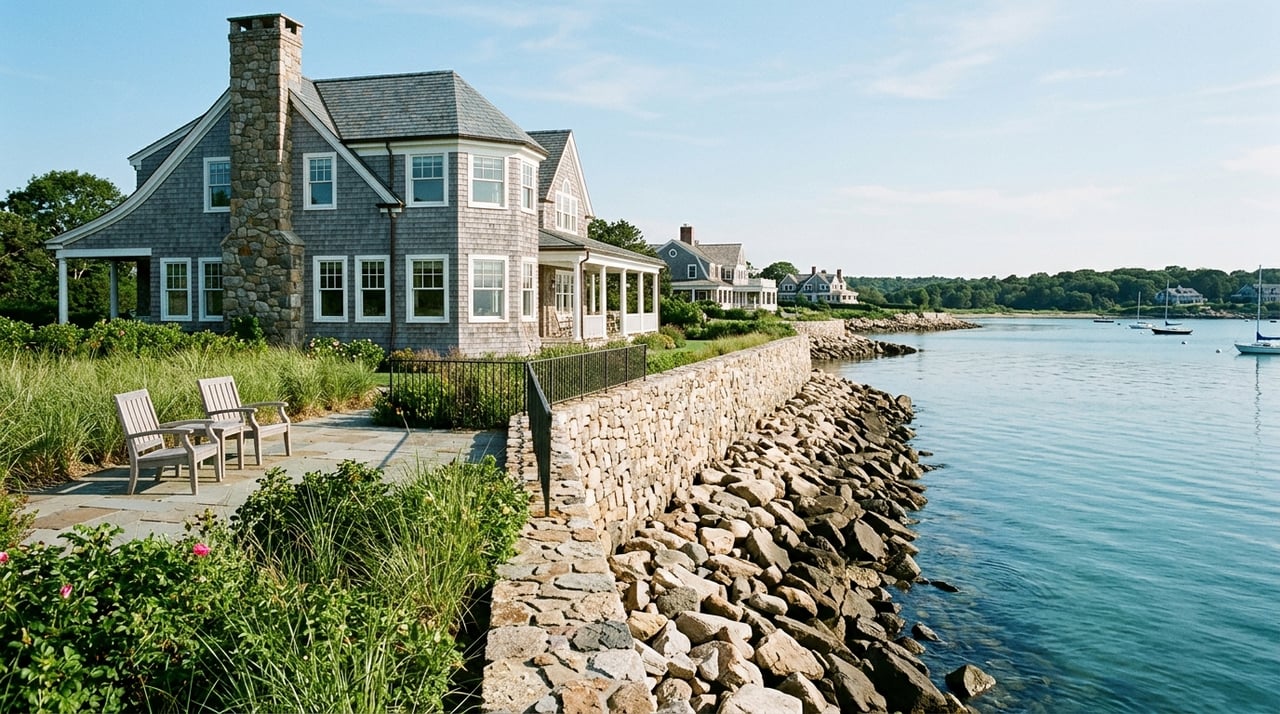
The Back Shore offers a different kind of coastal experience. Rather than a downtown waterfront setting, it functions more as a scenic shoreline corridor where views, open coastline, and a quieter atmosphere shape the appeal.
This part of Gloucester is also more protected from a development standpoint. The city created the Atlantic Road Overlay District to protect the Back Shore from development and reduce risk from storms, erosion, and current and future flooding.
Back Shore Setting and Atmosphere
If your idea of coastal living is rocky shoreline views, open ocean scenery, and a more peaceful rhythm, the Back Shore may feel like a better fit. Essex County Greenbelt describes its Back Shore property as a conserved site with views of a rocky coastline, with uses such as birdwatching, dog walking, fishing, and scenic viewpoints.
That description helps explain the area’s character. It is less about downtown activity and more about being close to the shoreline itself.
Recreation and Access
The Back Shore is not isolated, but it offers a different kind of access than the harbor core. CATA operates a Back Shore-related tripper route, which means the area does have transit service.
Still, the overall pattern is less amenity-dense than harborfront living. In practical terms, you are choosing a shoreline corridor over a retail, restaurant, or civic center.
Housing and Development Limits
One of the most important differences on the Back Shore is how tightly new residential development is constrained. In the Atlantic Road Overlay District, no residential building permit may be issued without City Council special permit approval.
For buyers, that matters in two ways. First, it helps preserve the area’s coastal character. Second, it signals that ownership here comes with a stronger connection to shoreline protection, resilience concerns, and development limits.
Harbor vs Back Shore: Key Differences
When buyers compare these two parts of Gloucester, the choice usually comes down to lifestyle priorities rather than one being objectively better. Each offers a strong coastal identity, but they serve different day-to-day preferences.
| Feature | Gloucester Harbor | Back Shore |
|---|---|---|
| Overall feel | Active, walkable, boat-oriented | Scenic, quieter, shoreline-focused |
| Setting | Working waterfront and downtown core | Protected coastal corridor |
| Walkability | Strong access to shops, restaurants, and cultural spaces | Less amenity-dense, more spread out |
| Boating connection | Direct marine activity and visitor moorings | More scenic coastal access than harbor activity |
| Development pattern | Compact, mixed-use, older in-town setting | Lower-density residential character with tighter development constraints |
| Lifestyle fit | Buyers seeking energy, convenience, and harbor life | Buyers seeking views, preservation, and a calmer pace |
Which Gloucester Lifestyle Fits You?
If you want your home base to feel connected to downtown Gloucester, the harbor often makes the most sense. You may be drawn to the mix of boating access, walkability, restaurants, shops, and cultural activity all within a compact waterfront setting.
If you prefer a quieter coastal atmosphere, the Back Shore may be the stronger match. You may value open shoreline views, conserved land, and a setting where natural character matters more than being near daily amenities.
Choose Gloucester Harbor If You Want
- Walkability to downtown destinations
- A stronger connection to boating and working waterfront activity
- A more active day-to-day setting
- In-town coastal living with mixed-use character
Choose Back Shore If You Want
- A quieter shoreline environment
- Scenic rocky coast views
- A more preserved coastal setting
- Lower-density surroundings with tighter building constraints
Coastal Living Means Thinking Practically Too
No matter which side of Gloucester appeals to you, coastal ownership is about more than views. Gloucester’s 2025 harbor plan places added emphasis on climate resilience, which is an important reminder for both harborfront and Back Shore buyers.
That means you should think carefully about exposure, maintenance, and how a property fits your long-term lifestyle. In coastal markets, the right purchase is usually the one that balances beauty, location, and practical ownership considerations.
Beaches Add to Both Lifestyles
One thing both areas share is access to Gloucester’s broader beach lifestyle. Resident beach stickers allow parking at Good Harbor, Wingaersheek, and Stage Fort Park, while nonresident parking reservations are required during peak summer season.
Good Harbor and Wingaersheek both offer seasonal lifeguards, restrooms, showers, and concessions. So whether you prefer harbor energy or Back Shore calm, Gloucester still gives you easy access to some of the city’s best-known coastal amenities.
If you are comparing Gloucester Harbor and the Back Shore, the best choice usually comes down to how you want to live near the water every day. A walkable harbor address and a quieter shoreline setting can both be compelling, but they offer very different ownership experiences. If you want guidance tailored to your goals, Michael Cannuscio can help you evaluate Gloucester properties with a clear understanding of lifestyle, setting, and long-term value.
FAQs
Is Gloucester Harbor a working waterfront area?
- Yes. The city says Gloucester Harbor remains the center of civic and commercial activity and continues to support commercial fishing, maritime trades, and related marine industries.
Is Gloucester Harbor more walkable than Back Shore?
- Yes. The HarborWalk, downtown cultural district, train-station proximity, and mixed-use planning all point to a more walkable lifestyle around the harbor than along the Back Shore corridor.
Is the Back Shore area in Gloucester open to new home development?
- Residential building in the Atlantic Road Overlay District is tightly constrained, and a residential building permit requires City Council special permit approval.
What type of buyer usually prefers Gloucester Back Shore?
- Buyers who want a quieter coastal setting, scenic shoreline views, and a more preserved environment often find the Back Shore more appealing.
What type of buyer usually prefers Gloucester Harbor?
- Buyers who want boating access, downtown energy, walkability, and an active waterfront lifestyle often prefer the harbor side.