Thinking about a harbor condo, a shingled seaside cottage, or a classic Colonial in Marblehead but not sure which fits your life best? You are not alone. Each property type here carries a distinct look, location pattern, and set of ownership considerations that can influence both your lifestyle and long‑term costs. In this guide, you will learn what to expect from each housing type, where they are typically found, and the key checks to run before you buy. Let’s dive in.
Condos: low‑maintenance, walkable living
Condominiums offer a smaller exterior maintenance burden and excellent access to Marblehead’s waterfront lifestyle. You will see several formats: purpose‑built buildings near the harbor, historic homes converted to multi‑unit condos in Old Town, and townhouse‑style condos in more suburban pockets.
Typical settings
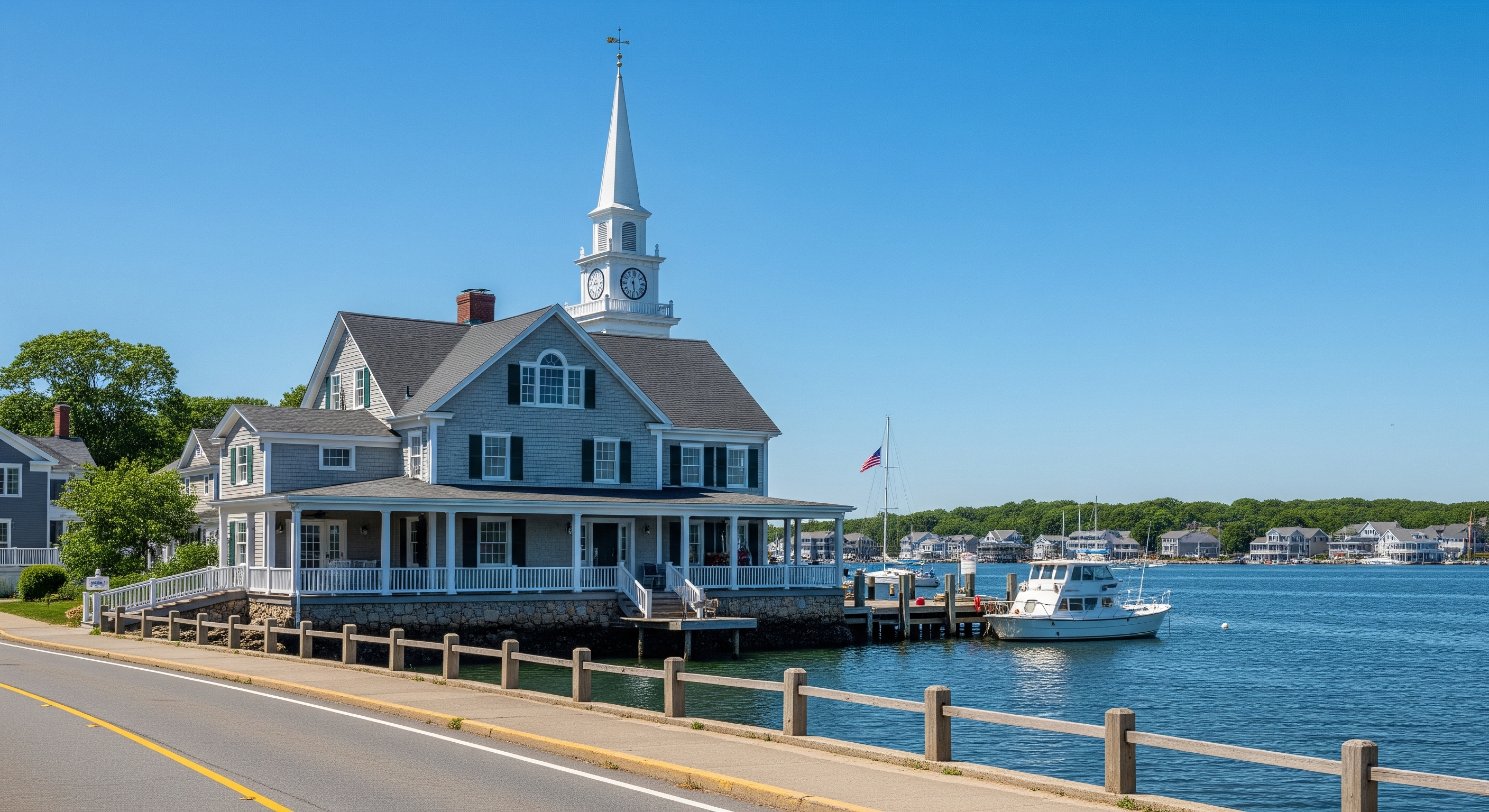
- Harborfront and Old Town often feature low‑ to mid‑rise buildings and historic conversions with strong walkability to marinas, restaurants, and shops.
- Transitional corridors include small condo buildings mixed with retail and services.
- Suburban areas sometimes have townhouse‑style developments with driveways or garages.
Architecture and age
- Exterior finishes range from wood shingle or clapboard on older conversions to brick or vinyl on newer buildings.
- Conversions and small buildings began mid‑20th century, while newer condos date from the late 20th century to today.
Ownership and fees
- A condo association typically maintains common areas and exteriors, and sometimes includes water, heat, or insurance in monthly fees.
- Waterfront buildings can have higher fees due to exterior upkeep needs and capital items like bulkheads or siding.
- Owners have limited control over exterior changes and must follow association rules.
Lifestyle fit
- Great for downsizers, second‑home buyers, and anyone who values walkability and less exterior upkeep.
- Units range from compact studios to multi‑bedroom homes with parking or garage access, depending on the building.
Quick fit checklist for condos
- Review HOA documents for reserves, special assessments, and rental or pet rules.
- Confirm parking arrangements and any guest parking options.
- Ask about recent and upcoming capital projects, especially in waterfront buildings.
- Compare monthly fees by what they include to understand your true carrying costs.
Cottages and Shingle‑style homes: coastal character
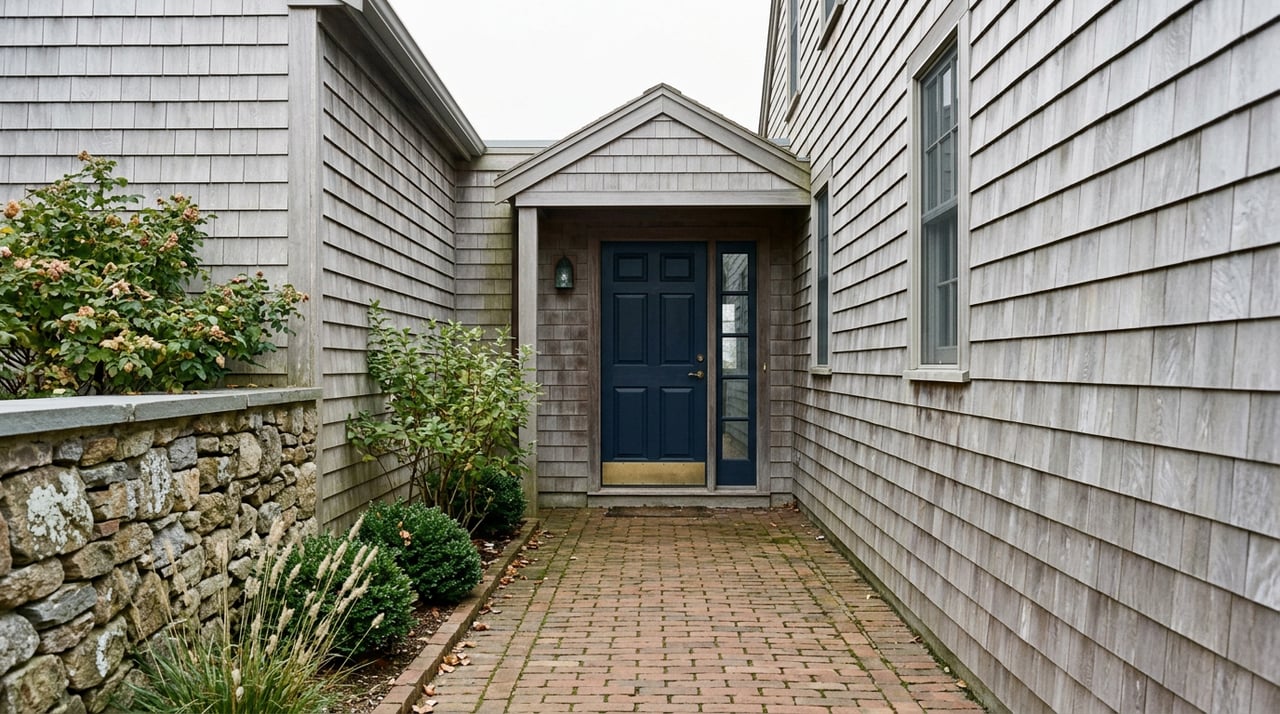
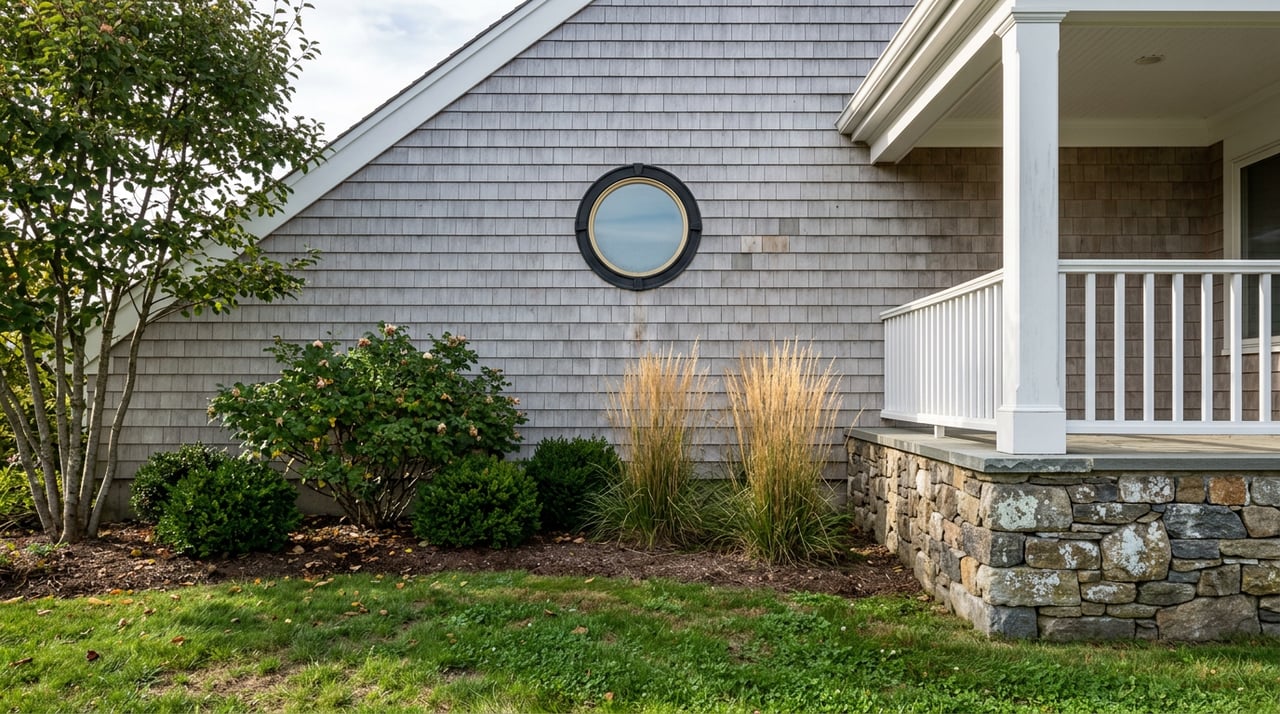
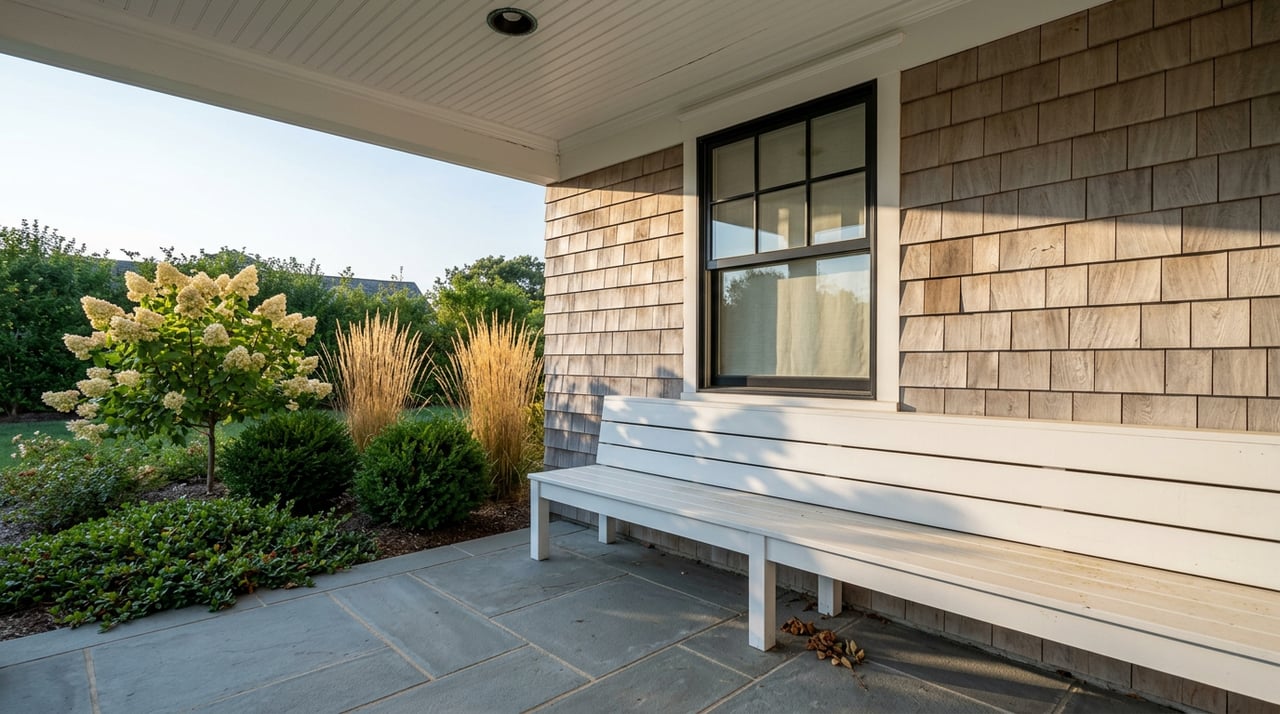
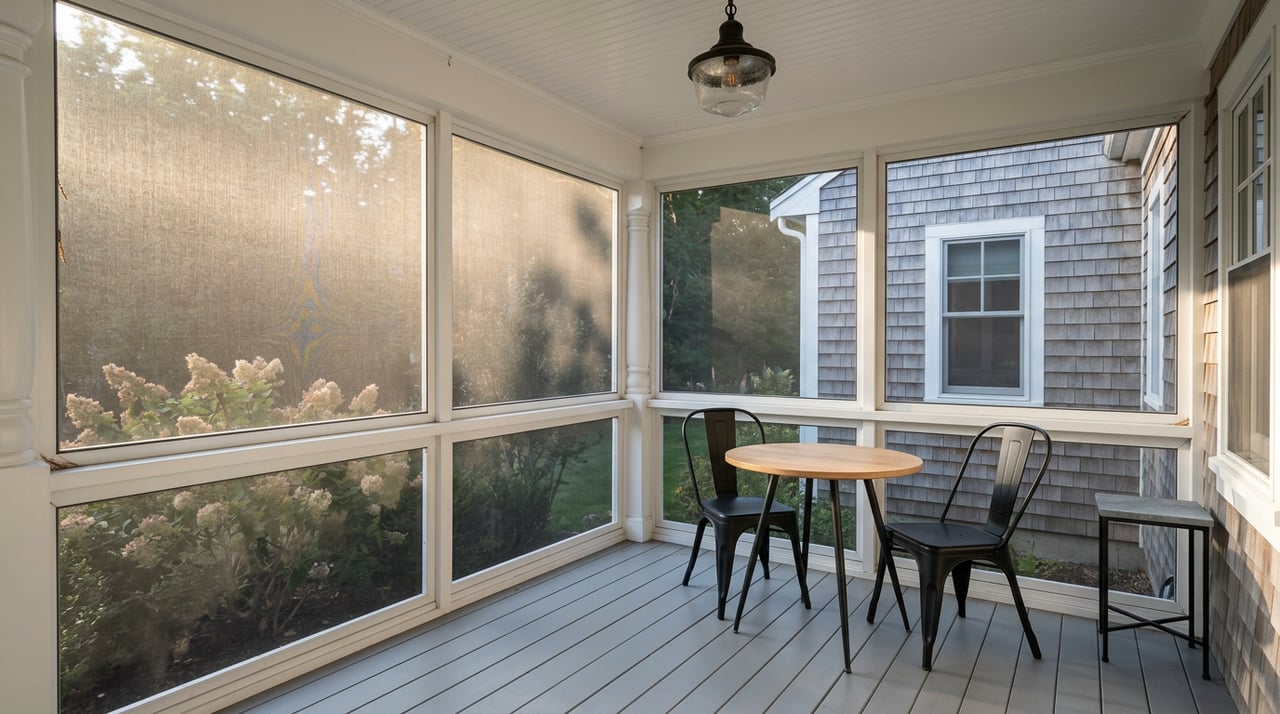
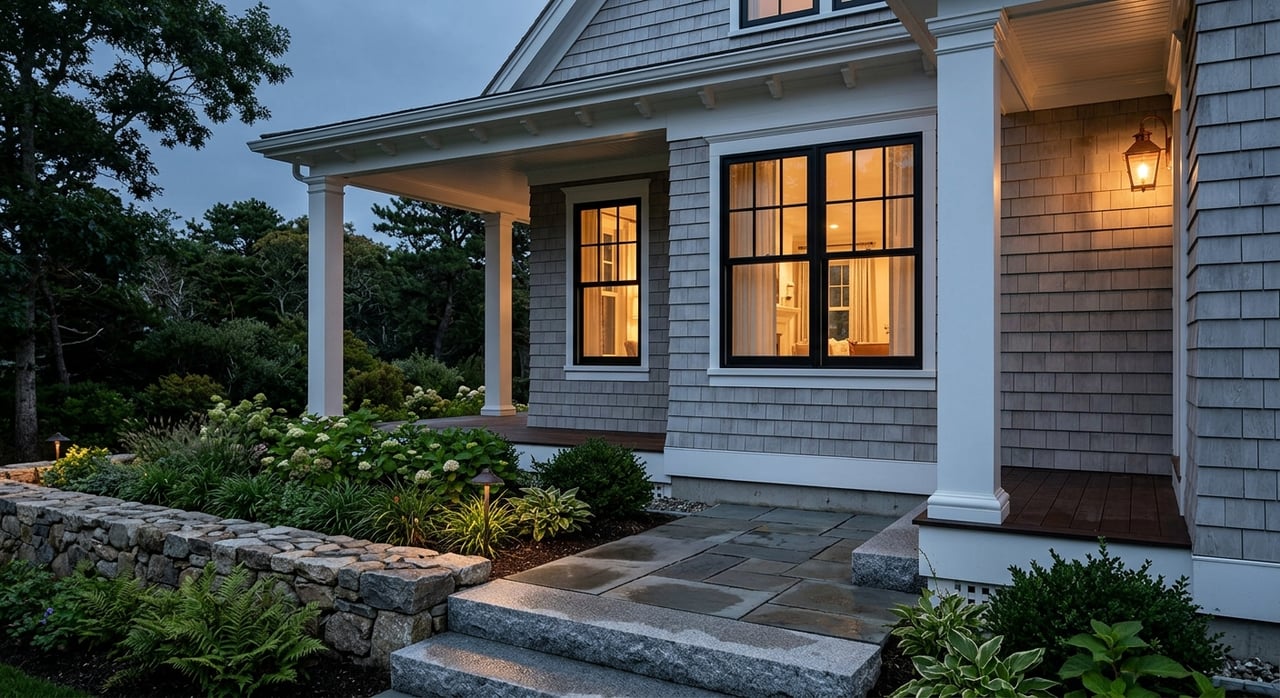
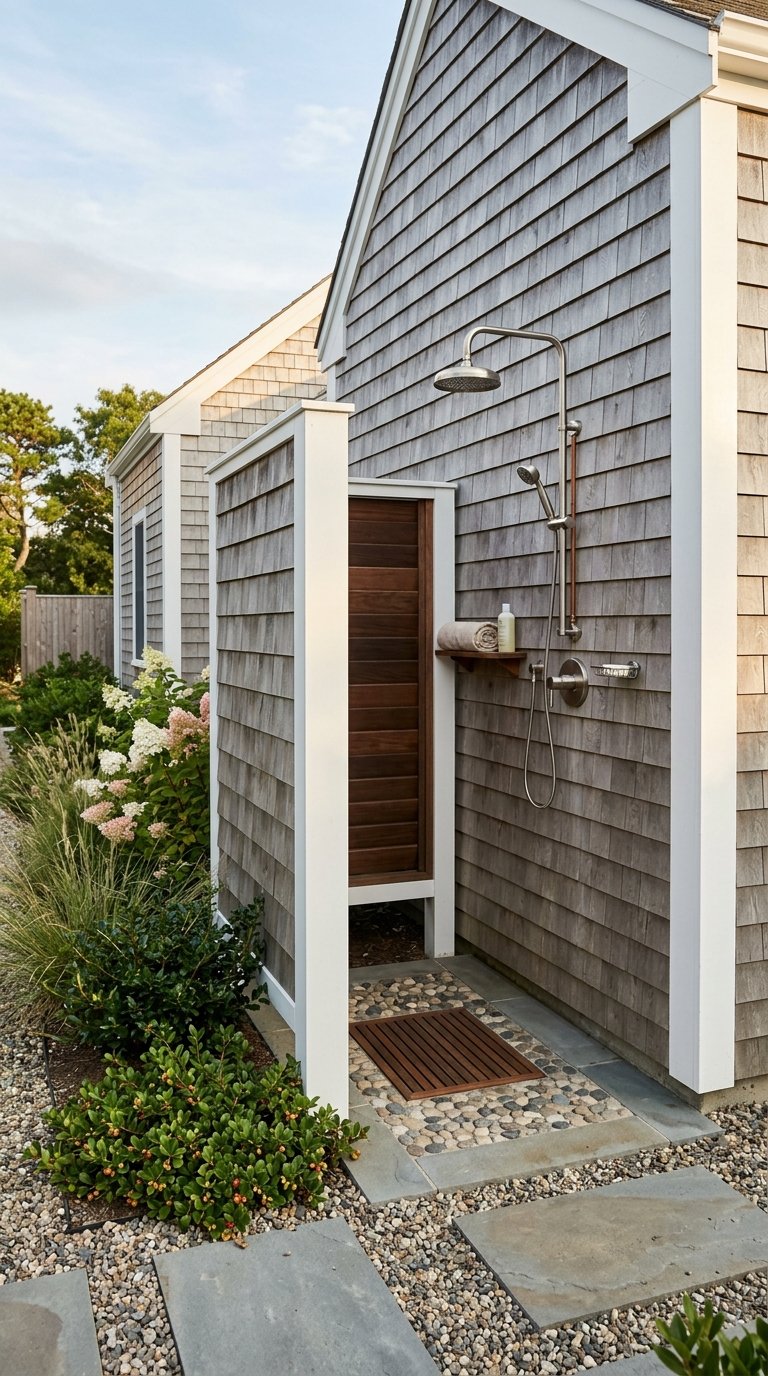
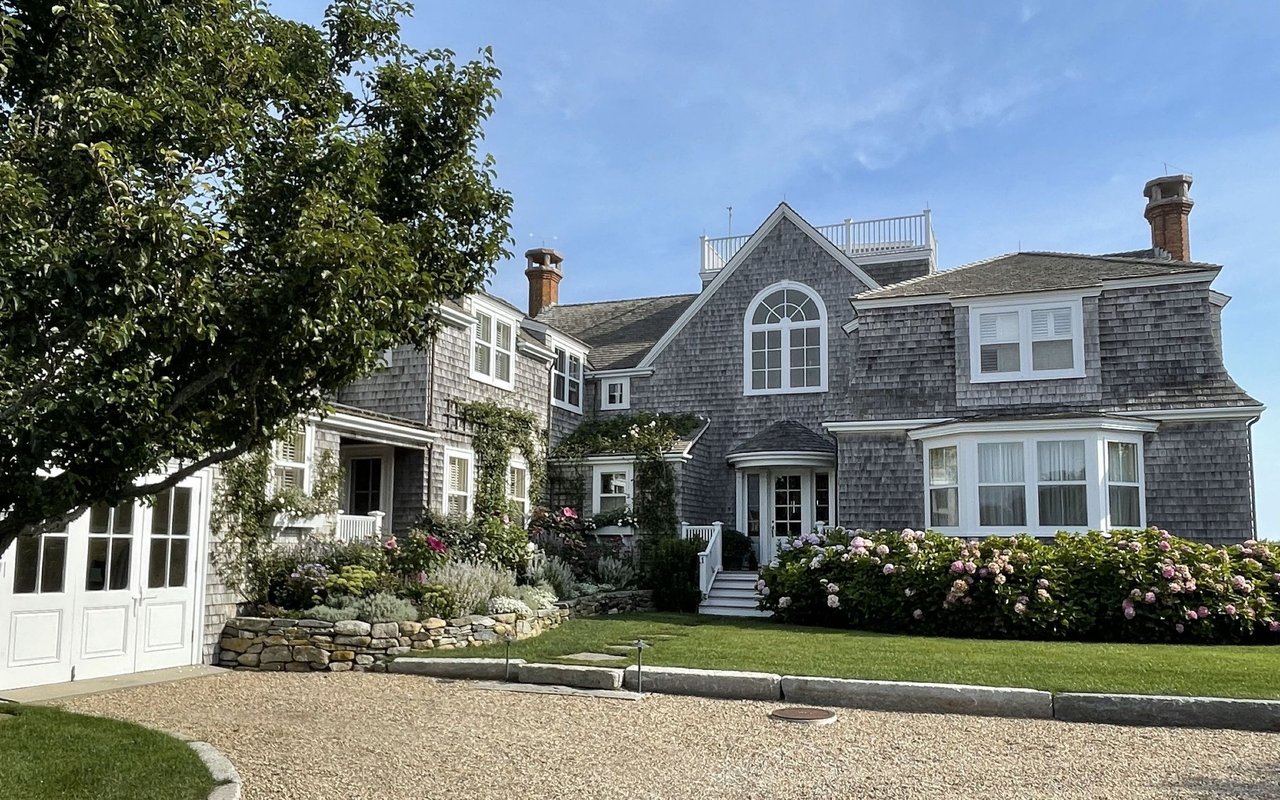
Marblehead’s cottages evoke a classic New England summer feel. Many started as seasonal homes and were later retrofitted for year‑round use. Expect compact footprints, porches, and shingle or clapboard exteriors with irregular rooflines.
Typical settings
- Marblehead Neck and other seaside points feature a concentration of cottages and Shingle‑style homes, some with ocean or harbor views.
- You will also find scattered cottages in older coastal streets throughout town.
Architecture and age
- Most date from the late 19th to early 20th century, with some later infill.
- Interiors may include smaller kitchens and modest storage compared to modern layouts.
Ownership and upkeep
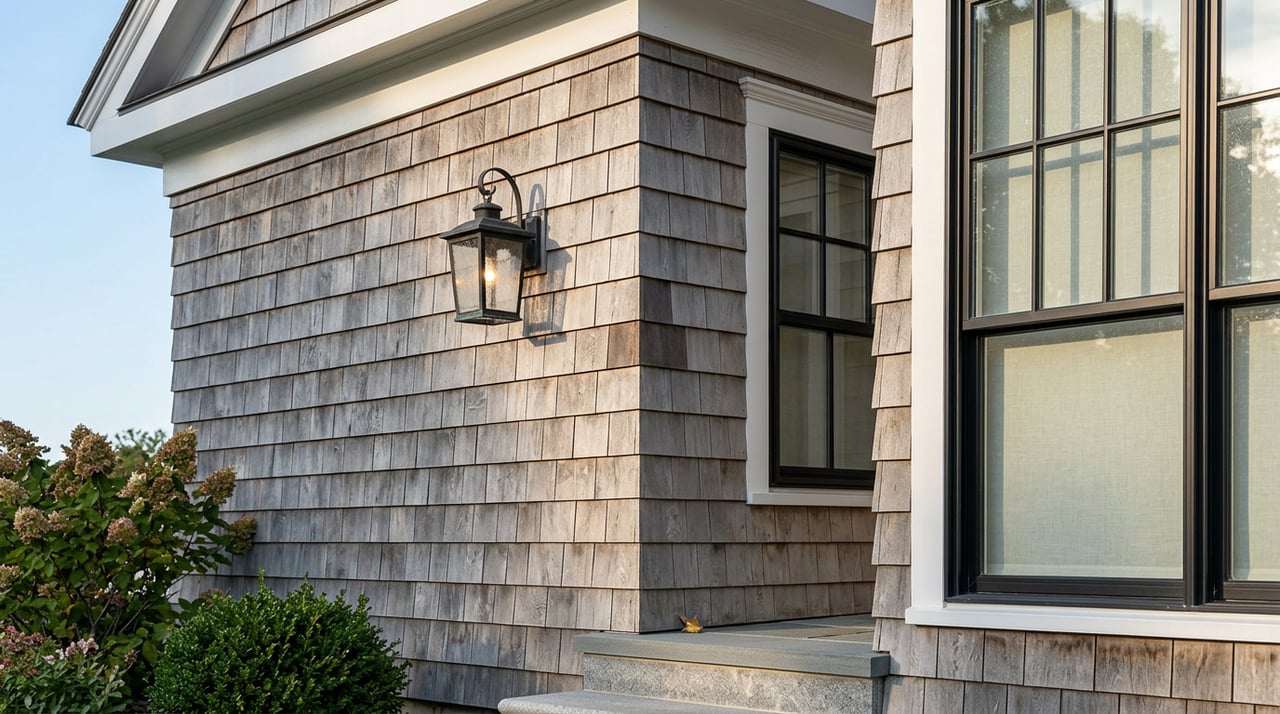
- Wood shingles and historic trim need regular maintenance such as repainting and shingle replacement.
- Former seasonal structures may require upgrades to insulation, HVAC, windows, and mechanical systems to support efficient year‑round living.
- Coastal exposure increases routine upkeep due to salt air, wind, and storm wear.
Lifestyle fit
- Ideal if you value coastal charm, porches, and proximity to beaches or the harbor.
- Less ideal if you want large yards or a turnkey, low‑maintenance experience without recent upgrades.
Quick fit checklist for cottages
- Verify if the home started as seasonal and assess insulation, heating, and cooling.
- Inspect wood shingles, trim, windows, and porch structures for repair needs.
- Review flood zone status and insurance requirements for coastal locations.
- Budget for modernization if original systems remain in place.
Colonials and historic single‑family homes: space and heritage
Marblehead includes genuine 18th and 19th century Colonials alongside Colonial Revival homes from the late 19th and early 20th century. These properties often deliver larger interiors, period detail, and a sense of history that is central to the town’s appeal.
Typical settings
- Old Town and the harbor area include many historic single‑family homes and townhouses, some subdivided into condos.
- Interior and western Marblehead offer larger single‑family Colonials on bigger lots, plus ranches and newer construction.
Architecture and age
- Expect gabled roofs, symmetrical facades, multi‑pane windows in older examples, and formal entries.
- Interiors can include wide‑plank floors, multiple fireplaces, built‑ins, and several levels.
Ownership and maintenance
- Electrical, plumbing, and insulation often need updating. Some homes still have older oil systems or remnants of knob‑and‑tube wiring.
- Foundations range from stone in older homes to poured concrete in newer ones. Drainage and moisture management require attention in coastal settings.
- Properties in local historic districts may need review for exterior changes.
Lifestyle fit
- Well suited if you want more interior space and historic character.
- Expect higher ongoing maintenance and potential renovation planning compared to newer builds.
Quick fit checklist for Colonials
- Order a thorough inspection of mechanicals, foundation, and insulation.
- Verify whether the property is in a local historic district and what that means for exterior changes.
- Assess the cost and scope of any period‑appropriate updates you plan.
- Confirm parking and yard space if you want easier vehicle access or room to expand.
Where these homes cluster in Marblehead
Harborfront and Old Town
- Housing mix: condos, multi‑unit buildings, and historic Colonials or townhouses, many with walkable access to dining, shops, and marinas.
- Considerations: limited parking, small lots, and potential historic review for exterior work. Premium pricing for water views.
Marblehead Neck and seaside points
- Housing mix: cottages and Shingle‑style homes, plus mid‑sized single‑family houses that began as summer residences and are now year‑round.
- Considerations: elevated exposure to coastal weather and flood risk, seasonal traffic, and limited services on peninsula locations.
Interior and western Marblehead
- Housing mix: larger single‑family Colonials, ranches, split‑levels, and newer construction on larger lots.
- Considerations: more parking and yard space, lower immediate coastal exposure, and generally fewer historic restrictions.
Transitional corridors and mixed use
- Housing mix: small condo buildings, multi‑family homes, and mixed commercial residential properties along main roads, with access to services and commuting routes.
Key ownership checks to run
Even if you know your preferred housing type, local rules and site conditions shape value and fit. These checks help you avoid surprises.
Historic district review
- Exterior changes in local historic districts may require approvals from a review commission. National Register status alone does not restrict work, but local rules can.
- Start by exploring the Town of Marblehead’s planning and historic resources on the Town of Marblehead website, and review general National Register context with the National Park Service’s National Register overview.
Zoning and multi‑family rules
- Zoning dictates use, density, setbacks, and parking. If you are considering a condo conversion, ADU, or rental use, verify zoning and permitting steps with the town.
- Consult planning and zoning contacts via the Town of Marblehead website before you commit to a project plan.
Flood zones and coastal risk
- Many harborfront, Neck, and low‑lying properties fall within FEMA Special Flood Hazard Areas. Lenders typically require flood insurance for mortgages in these zones.
- Check parcel status using the FEMA Flood Map Service Center and explore regional sea‑level scenarios with NOAA’s Sea Level Rise Viewer.
Sewer, septic, and utilities
- Sewer availability varies by neighborhood. Some older coastal cottages may rely on septic where sewer is not present. Small lot sizes can limit septic replacements or additions.
- Review regulations and permitting with the Board of Health and public works contacts through the Town of Marblehead website.
HOA and condo governance
- For condos, evaluate association reserves, capital plans, special assessments, insurance coverage, and rules on rentals or pets.
- Waterfront associations may face higher capital needs for exterior and shoreline infrastructure.
Systems, age, and foundations
- Budget for mechanical upgrades in older homes, including electrical, plumbing, insulation, and heating conversions as needed.
- Plan for moisture and drainage strategies in coastal settings. For GIS and environmental layers, the state’s MassGIS portal is a helpful reference.
Parking, lots, and expansion
- Harbor and Old Town properties may lack off‑street parking. Suburban areas typically have driveways or garages.
- Setbacks and lot size can limit additions or accessory structures, so verify zoning before you design expansions.
Short‑term rental rules
- Many coastal towns regulate short‑term rentals with registration, occupancy limits, or bans. Confirm the latest Marblehead rules through the Town of Marblehead website before assuming rental income potential.
Choosing the right fit
You can simplify your decision by weighing architecture, age, and setting together.
- Architecture: Condos trade private yard space for low exterior maintenance and walkability. Cottages bring coastal charm with a higher hands‑on upkeep profile. Colonials offer space and history, often with more renovation planning.
- Age: Older homes deliver character and location benefits, but systems and envelopes may need investment. Newer or well‑renovated properties can reduce near‑term maintenance at a higher price per square foot.
- Setting: Coastal and harbor locations offer views and access, along with higher insurance and potential storm exposure. Interior neighborhoods provide more yard space, driveways, and fewer coastal hazards.
A simple decision framework
- Define top priorities.
- Do you value walkability and minimal exterior upkeep, or private yard space and room to expand?
- Is water proximity a must‑have or a nice‑to‑have?
- Map risk and costs.
- Check flood zones and historic district status before you fall in love with a property.
- Estimate near‑term upgrades by age and condition of systems and envelope.
- Verify rules early.
- Confirm zoning for any planned conversions, ADUs, or additions.
- For condos, review HOA financials and rules during your diligence period.
- Ground‑truth the setting.
- Visit at different times of day and season. Check parking, traffic, and noise patterns.
- Walk to the services you will use most to judge daily convenience.
Ready to explore Marblehead homes?
Whether you are picturing a harbor‑view condo, a shingled cottage on the Neck, or a gracious historic Colonial, the right local guidance makes all the difference. Our team pairs deep Marblehead expertise with a high‑touch, concierge process to help you align lifestyle goals, risk considerations, and long‑term value. When you are ready to tour homes, compare neighborhoods, or pressure‑test a renovation plan, connect with Michael Cannuscio for a thoughtful, results‑driven strategy.
FAQs
What Marblehead condo fees usually cover
- Most associations cover common‑area maintenance and exterior work, and some include water, heat, or insurance. Fees vary by building age, services, and waterfront exposure.
Making a seasonal cottage year‑round
- It is often possible with upgrades to insulation, HVAC, windows, and systems. Budget for envelope improvements and confirm permitting with the town before you start.
Checking if a home is in a flood zone
- Search the property location in the FEMA Flood Map Service Center. If it falls in a Special Flood Hazard Area, your lender will likely require flood insurance.
Historic rules for exterior changes in Old Town
- In local historic districts, exterior work can require review and approval. Start with the Town of Marblehead website to understand local guidelines and timelines.
Parking expectations by neighborhood
- Old Town and harborfront homes often have limited or no off‑street parking. Suburban areas of Marblehead more commonly provide driveways and garages.