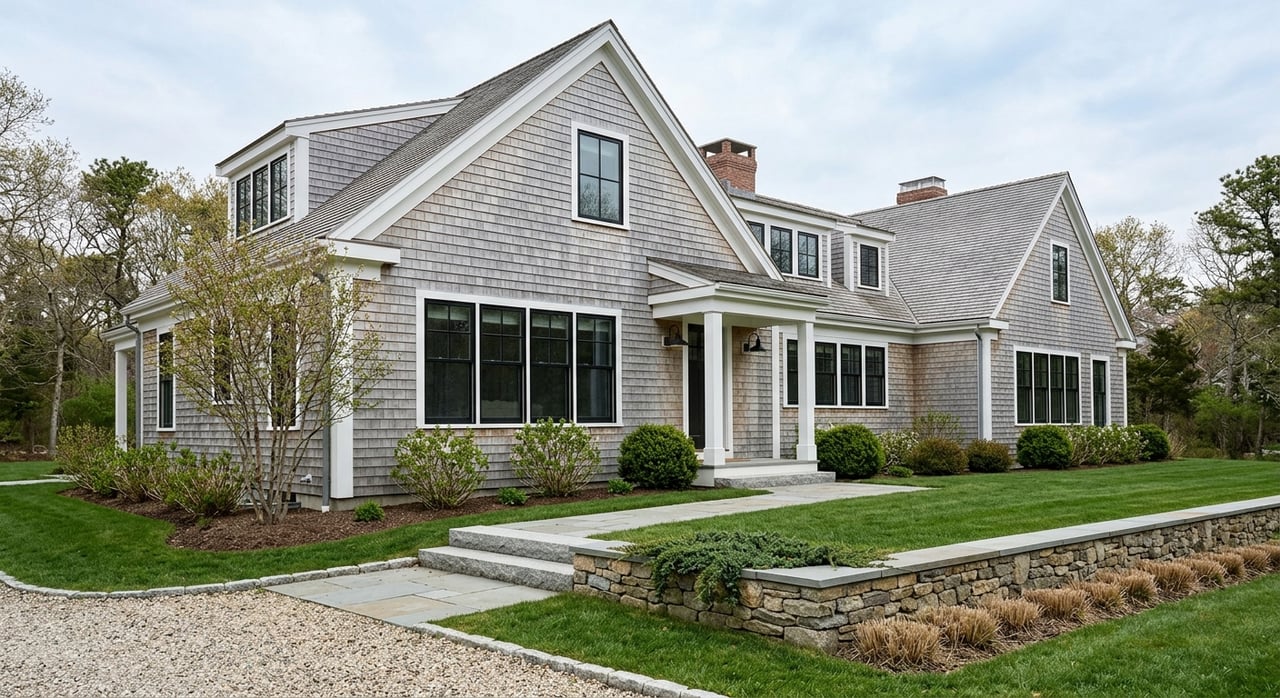
Timing Your Gloucester Sale In A Coastal Market
June 25, 2026
June 25, 2026
Wondering when to list your Gloucester home so you can capture strong demand without missing your ideal next move? In a coastal market, timing is not just about the calendar. It is also about buyer behavior, seasonal visibility, and how Gloucester’s harbor-driven lifestyle shapes interest throughout the year. This guide will help you understand the best selling windows, what to expect in each season, and how to prepare with confidence. Let’s dive in.
Gloucester is not just another North Shore market. Its harbor, beaches, parks, arts scene, and working waterfront all help drive a visitor-based economy, especially from Memorial Day through Columbus Day. That seasonal energy can increase visibility for homes that appeal to lifestyle, second-home, and relocation buyers.
The market also remains competitive by recent measures. As of May 31, 2026, Zillow reported a typical home value of $782,249, with 66 active listings and about 10 days to pending, while Redfin reported a three-month median sale price of $844,495, median days on market of 22, and a 99.0% sale-to-list ratio. Since these platforms use different methods, the numbers are best viewed as directional, but together they point to a market where well-positioned homes can still attract serious attention.
If your goal is maximum exposure, faster activity, and stronger offers, spring is usually the first window to consider. National 2026 research from Realtor.com points to the week of April 12 through 18 as the best time to sell, while Redfin’s 2026 analysis identifies late April as a national sweet spot and notes that East Coast markets often peak later, with May frequently performing best.
That matters in Gloucester because East Coast timing tends to align more closely with local seasonal patterns. By late April and May, weather improves, natural light is stronger, and homes often show better inside and out. Buyers are also more active before summer schedules and inventory shifts change the pace.
Realtor.com also found that homes listed during the best week historically commanded higher prices and sold about nine days faster than average. While no single week guarantees a result, the broader takeaway is clear: late spring often gives sellers the best mix of price potential and speed.
Spring tends to bring a fresh wave of buyers into the market. Curb appeal improves, daylight lasts longer, and listing photos often look brighter and more inviting. If your property has outdoor spaces, gardens, or water views, that presentation boost can be meaningful.
For Gloucester sellers, spring also creates a runway into the active coastal season. You can reach buyers before summer inventory peaks, while still benefiting from the rising interest that comes with the North Shore’s warmer months.
If you miss the spring window, summer should not be written off. In Gloucester, summer carries its own advantages because the city’s visitor season runs from Memorial Day through Columbus Day, and the harbor remains central to the local draw. That visibility can support continued interest, especially for homes with coastal or lifestyle appeal.
This can be particularly relevant if your property connects to what draws buyers to Gloucester in the first place. A home near the waterfront, beaches, boating access, or cultural attractions may benefit from buyers who are actively experiencing the area during peak season.
Redfin’s migration data adds another useful signal. It found that 3% of homebuyers searching Gloucester came from outside metros, with New York, Hartford, and Springfield among the leading inbound origins. That suggests part of the buyer pool is looking at Gloucester as more than a strictly local move.
Summer may be a good listing season if:
That last point matters. Redfin’s seasonality research found that new listings usually peak in late spring and continue through early summer, while discounts off asking price tend to widen in late summer and early fall. In other words, early summer can still be favorable, but waiting too long may reduce leverage.
Fall is usually not the top season for peak pricing, but it can still work well depending on your goals. If you are prioritizing flexibility, coordinating a purchase, or hoping to avoid the height of spring competition, a fall listing may fit your plans.
Redfin’s research shows that buyers often find the best deals in early October, which suggests a more negotiable environment. That does not mean demand disappears. It means the buyer pool may be smaller and more selective, with a bit more room for back-and-forth.
For some sellers, that tradeoff is worth it. A slower pace can create breathing room, especially if you are also shopping for your next home.
Many sellers are also buyers, and your sale timeline affects your next move. Redfin notes that many homeowners factor the best time to buy into their selling strategy. In practical terms, listing earlier in the season can preserve more time to search before summer inventory tightens.
That can be especially helpful if you want options, not pressure. Selling in late spring may give you better odds of moving your current property while still leaving room to evaluate what comes next.
A smart planning horizon is about two months before your target listing date, and earlier is often even better. Realtor.com’s selling timeline recommends handling preliminary items roughly two months before listing, hiring your agent about six weeks out, and having photos and marketing materials ready about one week before launch.
That prep window matters because good timing is only useful if your home is ready when the market is. Realtor.com also reports that 53% of sellers take about a month or less to get market-ready, but coastal homes often benefit from extra lead time for repairs, presentation, and exterior touch-ups.
Here is a simple way to think about it:
| Time Before Listing | What to Focus On |
|---|---|
| 8+ weeks | Set timing goals, review market conditions, begin decluttering |
| 6 weeks | Hire your agent, plan pricing and presentation strategy |
| 4 to 5 weeks | Complete repairs, refresh exterior areas, prepare for staging |
| 1 to 2 weeks | Final staging, photography, and marketing materials |
| Launch week | Go live with a polished listing and showing plan |
For Gloucester sellers, pre-listing preparation can be especially important. NAR notes that a pre-sale inspection can help identify issues involving the structure, roof, plumbing, electrical, HVAC, insulation, and possible mold, radon, lead-paint, or asbestos concerns.
For a coastal property, that kind of early review can be useful because exterior condition and roof performance often matter to buyers. Addressing concerns before launch may help you avoid surprises, reduce friction during negotiations, and present your home with greater confidence.
Before your home hits the market, pay close attention to:
Realtor.com’s spring-prep guidance also notes that homes tend to show better with more natural light, better weather, and stronger curb appeal. That is another reason many Gloucester sellers try to finish prep before the peak spring window opens.
There is no single perfect week for every Gloucester seller. The right timing depends on whether you care most about price, speed, convenience, or coordination with your next purchase. Still, the overall pattern is fairly clear.
Late spring is usually the strongest choice if you want broad exposure and stronger offer conditions. Summer can still perform well for coastal and lifestyle-oriented properties, especially when buyers are actively engaging with Gloucester’s harbor season. Fall often favors flexibility more than peak pricing, but it can still be a practical move for the right seller.
In a market shaped by both local demand and destination appeal, the best results usually come from matching your timing with a well-prepared launch. Presentation, pricing, and strategy still matter just as much as the month you choose.
If you are thinking about selling in Gloucester, working with a team that understands coastal timing, elevated presentation, and out-of-area buyer reach can make a meaningful difference. To plan your next move with a tailored strategy, connect with Michael Cannuscio.


We pride ourselves in providing personalized solutions that bring our clients closer to their dream properties and enhance their long-term wealth. Contact us today to find out how we can be of assistance to you!
THE AGENCY MARBLEHEAD
72 Front Street, Suite 6, Marblehead, MA 01945